In the realm of fluid control systems, solenoid valves play a vital role. These electromechanical devices are designed to manage the flow of liquids and gases in various applications. Among the many materials used to fabricate solenoid valves, stainless steel and plastic stand out due to their unique properties and advantages. This article delves into the characteristics, applications, and considerations of both stainless steel and plastic solenoid valves to help you understand which type may be best suited for your specific needs.
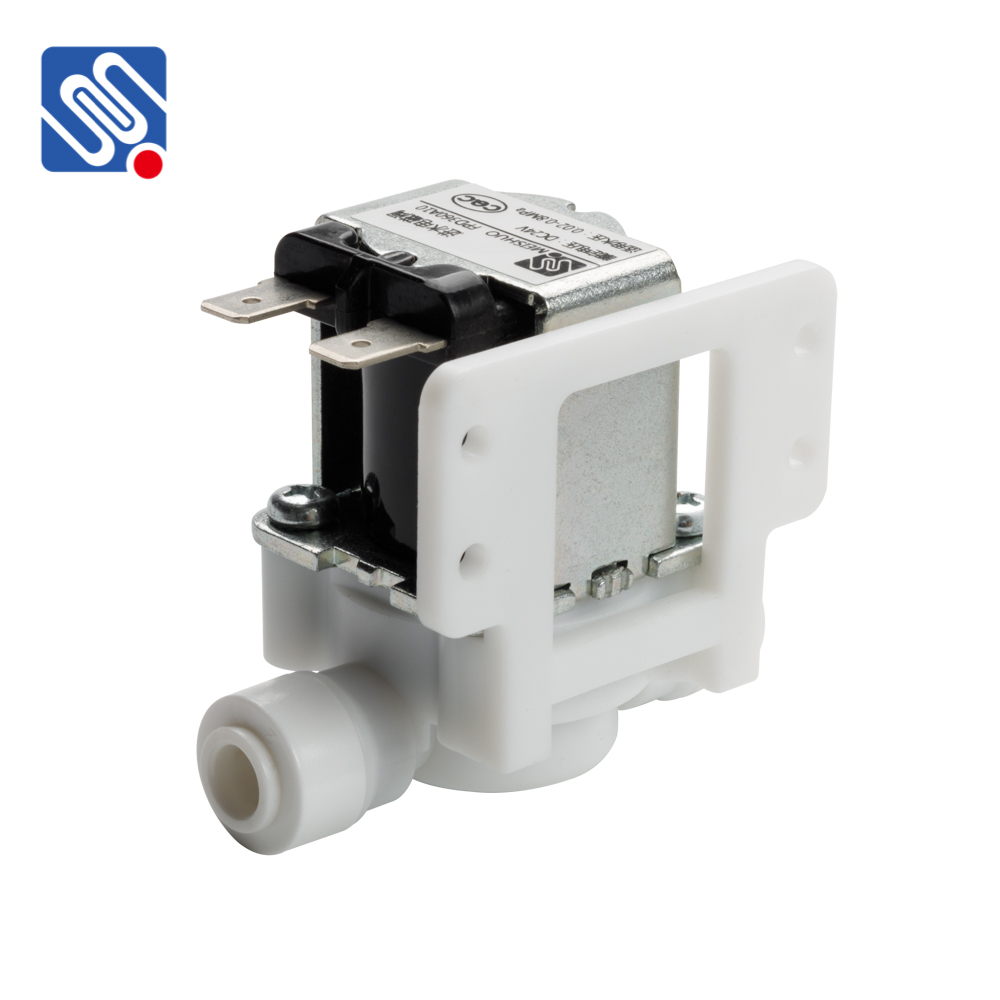
Understanding Solenoid Valves A solenoid valve typically consists of a coil, a valve body, and a sealing element. When an electric current passes through the coil, it generates a magnetic field that moves the valve’s internal components to either open or close the flow path. This simple yet effective mechanism allows for precise control over the flow of fluids in various systems, ranging from industrial machinery to household appliances. Stainless Steel Solenoid Valves 1. Advantages of Stainless Steel: Stainless steel solenoid valves are engineered from corrosion-resistant steel, making them an ideal choice for many demanding applications. Some of the key advantages of stainless steel include: