TE Connectivity is renowned for its innovative solutions in the connectivity and sensor markets, particularly known for high-quality relays that cater to a wide range of applications. Relays are electromechanical devices that act as switches, allowing one circuit to control another while providing electrical isolation. They play a vital role in various industries, from automotive to industrial automation, due to their reliability, performance, and versatility. In this article, we will delve into the different types of TE Connectivity relays, their features, applications, and why they are preferred by engineers and designers worldwide.
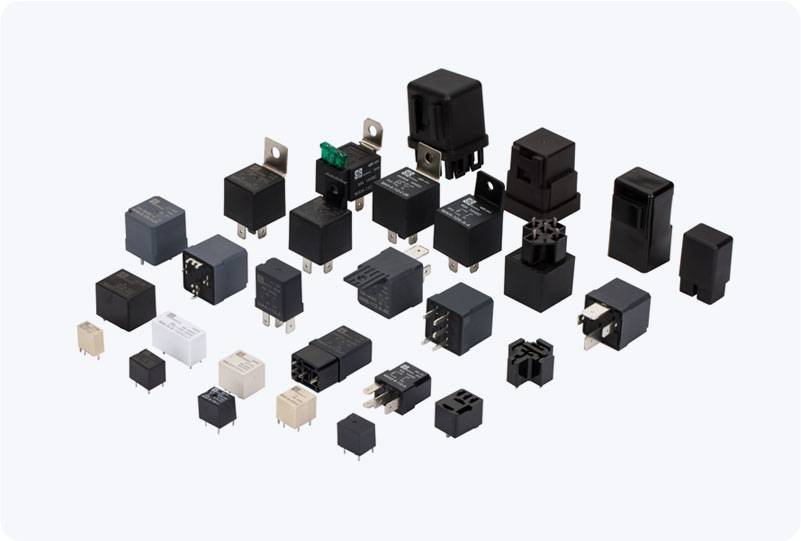
Types of TE Connectivity Relays TE Connectivity offers an extensive selection of relays to meet diverse operational requirements. Some of the most notable types include: Electromechanical Relays (EMRs): These are the most traditional type of relays that use electromagnetic coils to open or close contacts. TE’s EMRs are designed for high-load applications and are ideal for controlling power in various settings. Solid-State Relays (SSRs): Unlike traditional EMRs, solid-state relays utilize semiconductor devices to switch circuits without mechanical parts. This allows for faster switching times, greater durability, and reduced electromagnetic interference, making them suitable for high-frequency applications.