In the ever-evolving landscape of the automotive industry, the significance of various components cannot be overstated. Among these components, the role of automotive relay manufacturers has emerged as a crucial aspect of vehicle design and functionality. Automotive relays offer essential electrical switching capabilities that play a significant role in modern vehicles, enhancing safety, efficiency, and performance. This article delves into the importance of automotive relay manufacturers, the types of relays they produce, and the latest trends and technologies shaping their offerings.
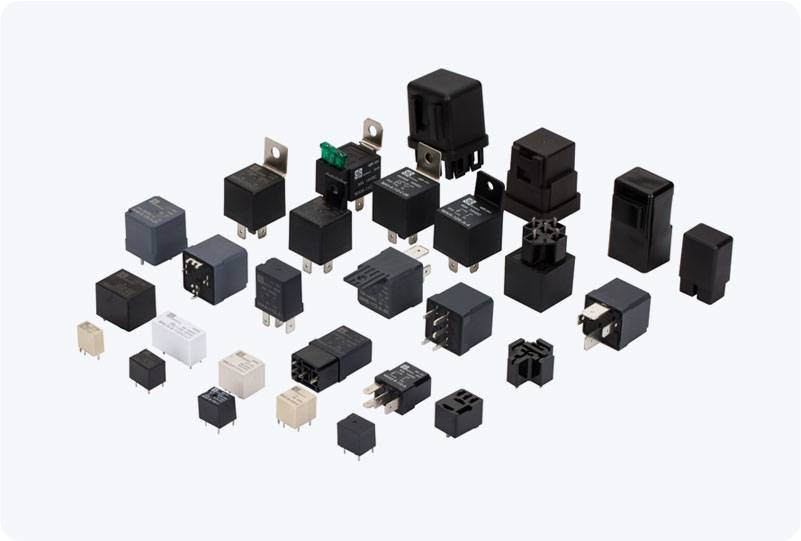
The Functionality of Automotive Relays Automotive relays serve as electro-mechanical switches that control the flow of electricity within a vehicle’s electrical system. By utilizing a low power signal to activate a higher power circuit, relays allow for the safe and efficient operation of various electrical components. These components range from simple functionalities like headlights and turn signals to more complex systems, including power windows, central locking, and advanced driver-assistance systems (ADAS). One of the primary advantages of using relays in automotive applications is their ability to minimize the amount of current that flows through a switch. This results in reduced heat generation, decreased wear and tear on switches, and ultimately, a more reliable electrical system. Operating at high current loads, relays are essential for ensuring that critical functions, such as brake lights and wipers, operate smoothly.