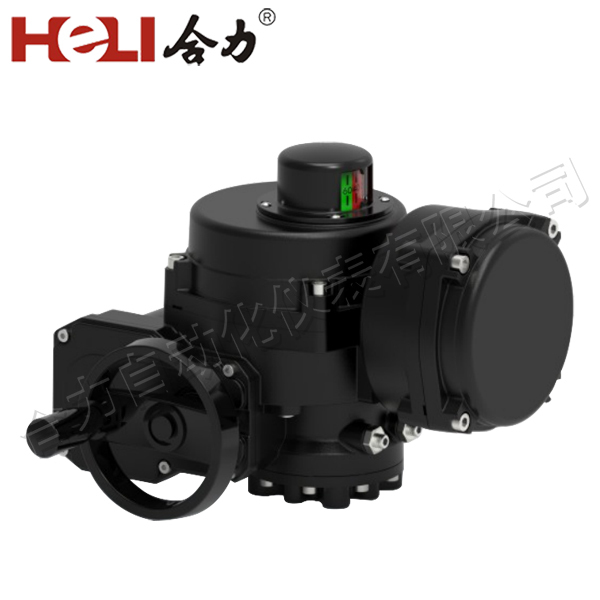
In recent years, Lithium Battery Electric Actuators have become an integral component in various automation and control systems across multiple industries. These devices utilize electric motors powered by lithium batteries to perform precise movements or adjustments in mechanical systems. As technological advancements continue to reshape the landscape of industrial and commercial applications, the efficiency, precision, and sustainability of lithium battery-powered actuators stand out as a game-changer for automation. This article explores the key features, advantages, and challenges associated with lithium battery electric actuators and their growing significance in modern automation.
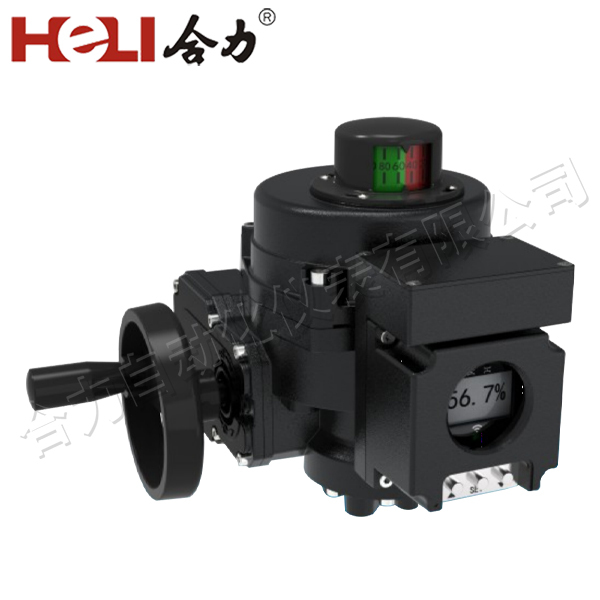
What is a Lithium Battery Electric Actuator?
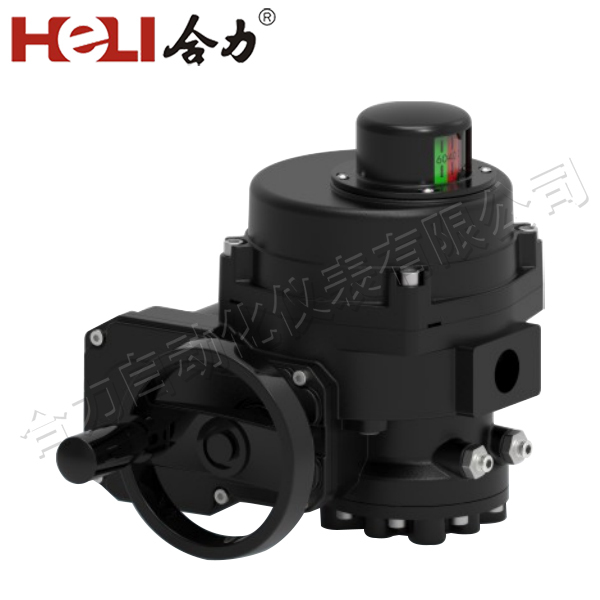
A Lithium Battery Electric Actuator is a type of actuator that relies on electric motors to perform mechanical work, such as moving valves, adjusting temperature settings, or controlling other automated functions. These actuators are powered by lithium-ion (Li-ion) batteries, which are known for their high energy density and long life cycles. The electric motor in these actuators transforms electrical energy into mechanical energy, which then drives a variety of mechanical systems, such as gears, linear guides, or screws, to produce linear or rotational movements. One of the defining characteristics of these actuators is their use of lithium batteries, which offer a significant improvement over traditional power sources like lead-acid or nickel-cadmium batteries. Lithium-ion batteries not only provide higher energy density but also weigh less and offer greater charging efficiency, making them particularly well-suited for applications where size, weight, and operational longevity are crucial.