A Leakage Current Relay (LCR) is a crucial safety device used in electrical systems to monitor and prevent hazards caused by leakage currents. These relays are specifically designed to detect abnormal currents that could lead to electrical shocks, fires, or damage to equipment. Leakage current, often caused by insulation failures, grounding issues, or faulty electrical components, can pose serious risks to both personnel and property. In this article, we will delve into the principles, applications, and importance of Leakage Current Relays in safeguarding electrical systems.
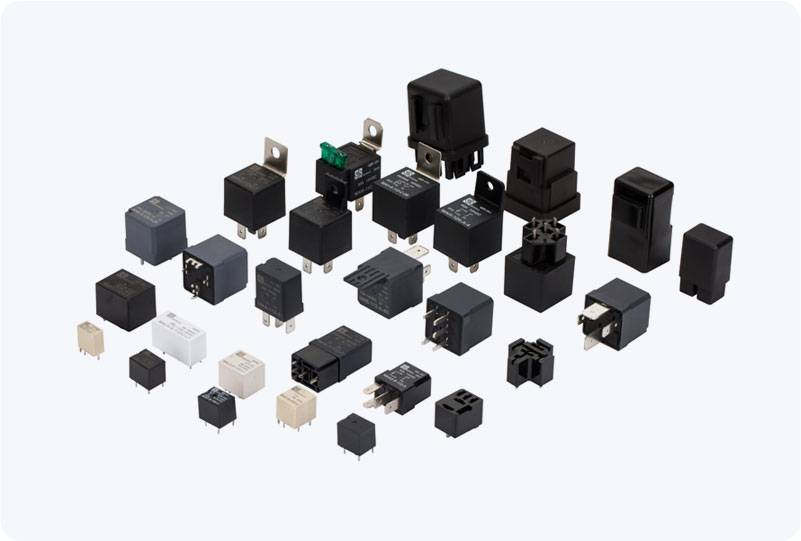
What is a Leakage Current Relay? A Leakage Current Relay is a protection device that monitors and controls leakage currents in an electrical circuit. Leakage current refers to the current that escapes from a live conductor due to an insulation breakdown, improper grounding, or leakage paths in electrical equipment. It is often small but can become dangerous if not detected and rectified promptly. The primary function of an LCR is to sense any abnormal leakage currents and, when they exceed a predetermined threshold, activate a relay that disconnects the power to the system to prevent further damage or hazards.