Industrial relays play a crucial role in automating processes and controlling electrical circuits, making them indispensable in numerous industries. These relays work by using an electromagnet to open or close contacts, which in turn can control a larger current. However, like any electrical component, relays can wear out over time or become faulty. One of the most effective ways to diagnose issues with an industrial relay is by using a multimeter. A multimeter is a versatile tool that allows you to measure resistance, continuity, and voltage, all of which are essential when testing the functionality of a relay. In this article, we will guide you through the process of testing an industrial relay using a multimeter.
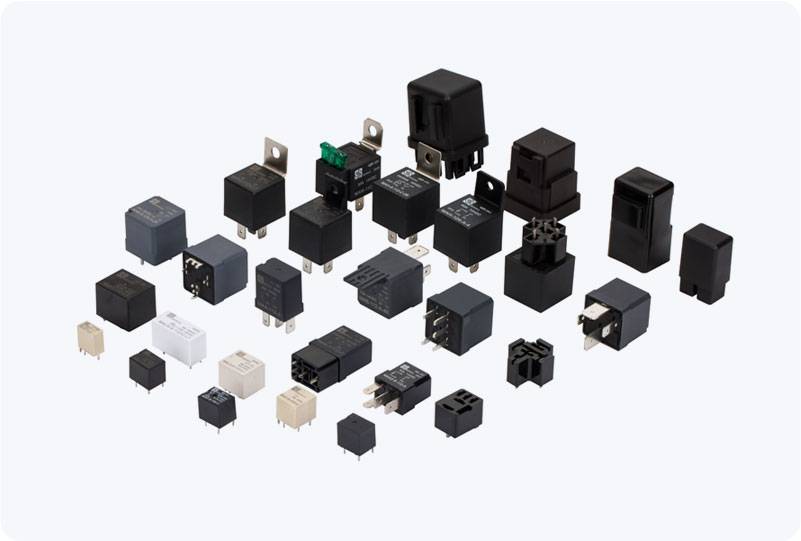
Understanding the Components of an Industrial Relay Before you begin testing, it’s important to understand the basic components of a relay: Coil Terminals (A1 and A2): These terminals connect to the electromagnet inside the relay. When voltage is applied, the coil energizes and creates a magnetic field that moves the relay’s switch. Common (COM): This is the terminal that connects to either the normally open (NO) or normally closed (NC) contacts. Normally Open (NO): This contact is open when the relay is not energized and closes when the relay is activated. Normally Closed (NC): This contact is closed when the relay is de-energized and opens when the relay is energized.