In recent years, the significance of environmental safety and compliance with global standards has been paramount in many industries. One crucial piece of legislation that has emerged to address these concerns is the Restriction of Hazardous Substances (RoHS) directive. Originating from the European Union, RoHS aims to limit the use of certain hazardous materials in electrical and electronic equipment. As a result, manufacturers worldwide, including those in China, have prioritized obtaining RoHS certification, particularly in producing components such as solenoid valves.
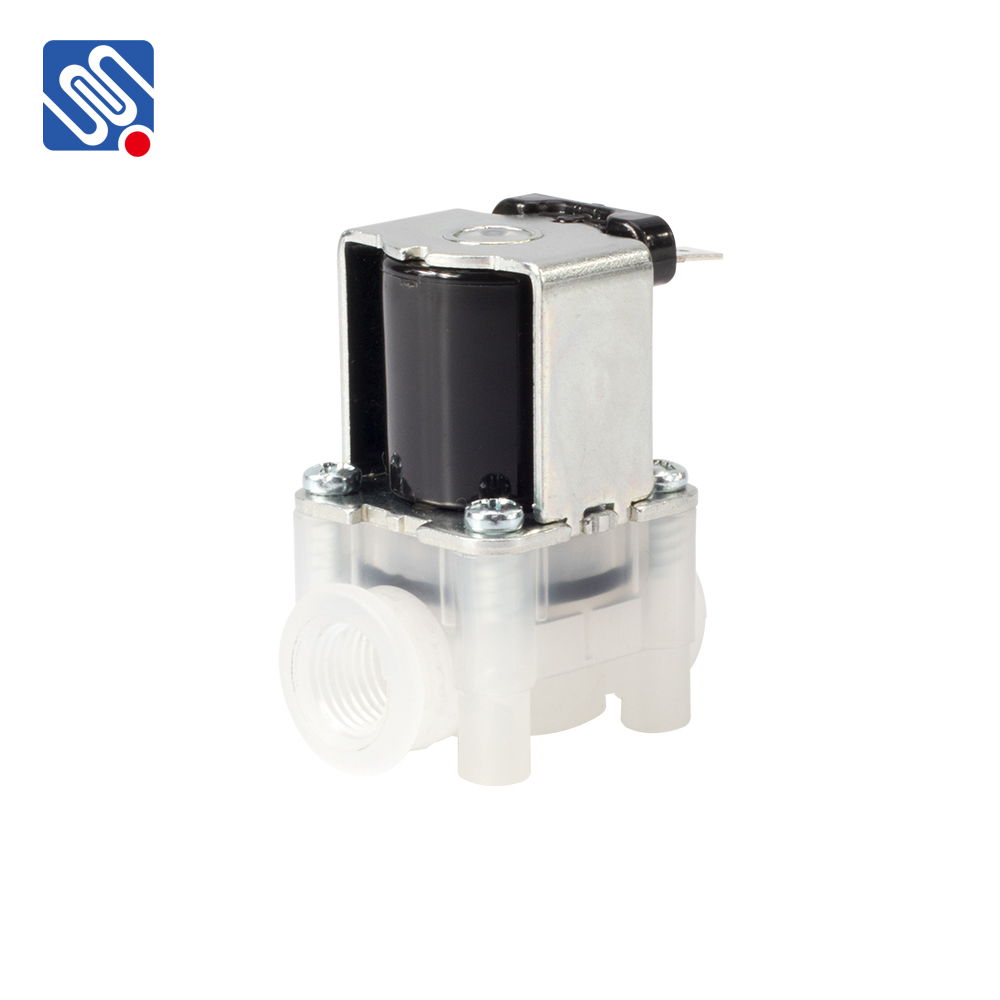
The Importance of RoHS Compliance RoHS compliance is essential for manufacturers wishing to export their products to markets that enforce these regulations. The directive restricts the use of six hazardous materials: lead, mercury, cadmium, hexavalent chromium, polybrominated biphenyls (PBB), and polybrominated diphenyl ethers (PBDE). For solenoid valve manufacturers, adherence to these regulations not only enhances product safety but also aligns with consumer demands for environmentally friendly and sustainable products. China’s Role in the Global Solenoid Valve Market China has emerged as a significant player in the global solenoid valve manufacturing landscape. The country boasts numerous manufacturers that produce a wide range of solenoid valves for various applications, including automation, HVAC systems, and industrial processes. With the growing emphasis on environmental regulations, many of these manufacturers have sought RoHS certification to ensure their products meet international safety standards, ultimately gaining a competitive edge in the market.