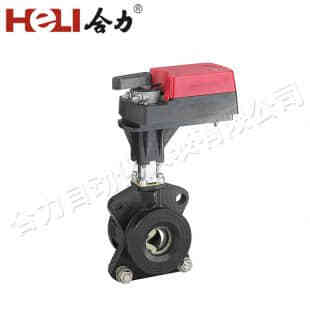
Damper actuators are essential components in modern HVAC (Heating, Ventilation, and Air Conditioning) systems, playing a critical role in controlling airflow and maintaining comfortable and energy-efficient environments. These devices regulate the position of dampers, which are used to modulate the airflow within ducts and ventilation systems. With the growing demand for energy-efficient and smart building solutions, the role of damper actuators has become more significant, leading to advancements in their design and functionality. This article explores the key manufacturers in the damper actuator industry and highlights their contributions to the HVAC sector.
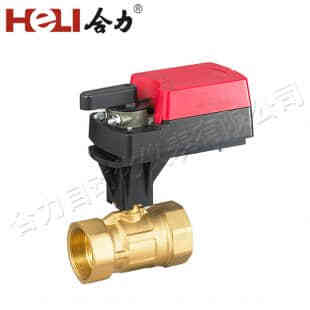
The Role of Damper Actuators in HVAC Systems
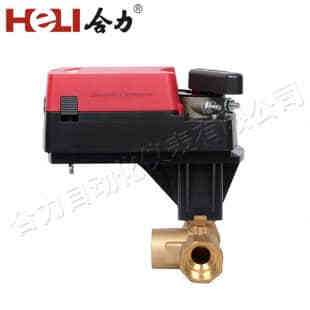
A damper actuator is responsible for adjusting the position of dampers, which regulate the airflow within a building’s HVAC system. The actuator responds to a control signal—often from a thermostat, building management system, or a similar device—to open or close the damper blades. This process helps manage airflow, temperature, humidity, and air quality, ensuring a comfortable indoor environment while optimizing energy usage. Damper actuators come in different types, including electric, pneumatic, and hydraulic actuators. Electric actuators are the most common due to their precise control and ease of integration with building automation systems. The growing demand for energy-efficient solutions has also led to the development of actuators that consume less power while providing accurate and reliable control.