A Precharge Relay is an essential component used in various electrical systems, especially in applications where high-voltage batteries and sensitive power electronics are involved. It serves a crucial purpose in protecting both the power system and the batteries by ensuring smooth and controlled voltage transitions when systems are powered on. This article will explore the functions, applications, and importance of Precharge Relays in modern electrical and electronic systems.
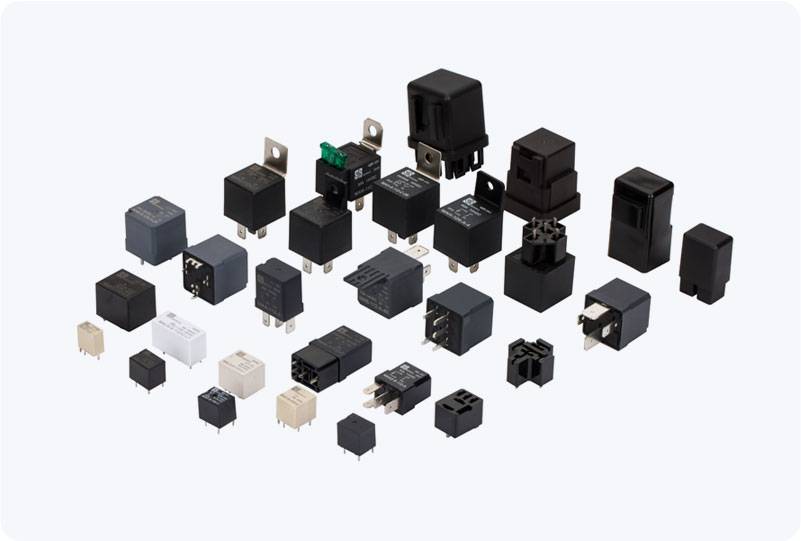
What is a Precharge Relay? A Precharge Relay is an electrical relay that manages the initial charging phase of power systems, particularly in systems that rely on high-voltage power sources, such as electric vehicles (EVs), solar inverters, and uninterruptible power supplies (UPS). Its primary function is to control the charging process to avoid damaging electrical components by limiting the inrush current when the system is turned on. When an electrical system is powered up, there is a potential for a large, sudden current to flow, especially if the system includes high-capacity batteries or sensitive components. The Precharge Relay mitigates this risk by gradually charging the capacitors or batteries before they connect fully to the power source. It achieves this by using a current-limiting resistor to gradually match the voltage between the power source and the battery or capacitor. Once the voltage is stabilized, the relay completes the connection and allows the full current to flow.