The efficient management of water resources is critical in today’s world, where water scarcity and quality issues pose significant challenges. Central to ensuring the effective operation of water treatment systems is the solenoid valve—a device that plays a vital role in controlling fluid flow and ensuring the system operates smoothly. This article delves into the functioning, applications, advantages, and maintenance of solenoid valves in water treatment systems.
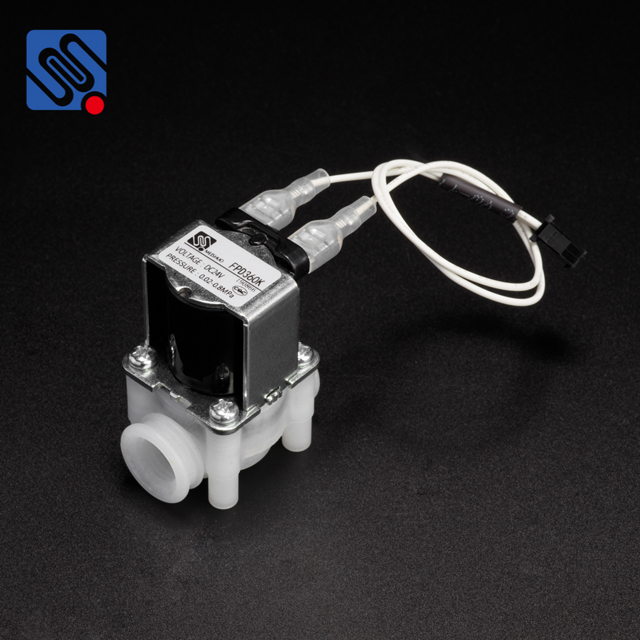
What is a Solenoid Valve? A solenoid valve is an electromechanical device that utilizes an electromagnetic coil to control the opening and closing of the valve. When electrical current passes through the coil, it generates a magnetic field, pulling a plunger or armature that either opens or closes the valve. Solenoid valves can be categorized into normally closed (NC) and normally open (NO) configurations, depending on whether they are closed or open when de-energized. This simple yet effective mechanism allows for rapid switching and precise control over fluid dynamics. How Solenoid Valves Function in Water Treatment Systems