In the rapidly evolving landscape of communication networks, the concept of relay efficiency has become increasingly critical. As we advance towards more complex systems that integrate various technologies, understanding the mechanics behind relay efficiency is essential for optimizing network performance. This article delves into the meaning of relay efficiency, its significance in communication systems, and the factors influencing it.
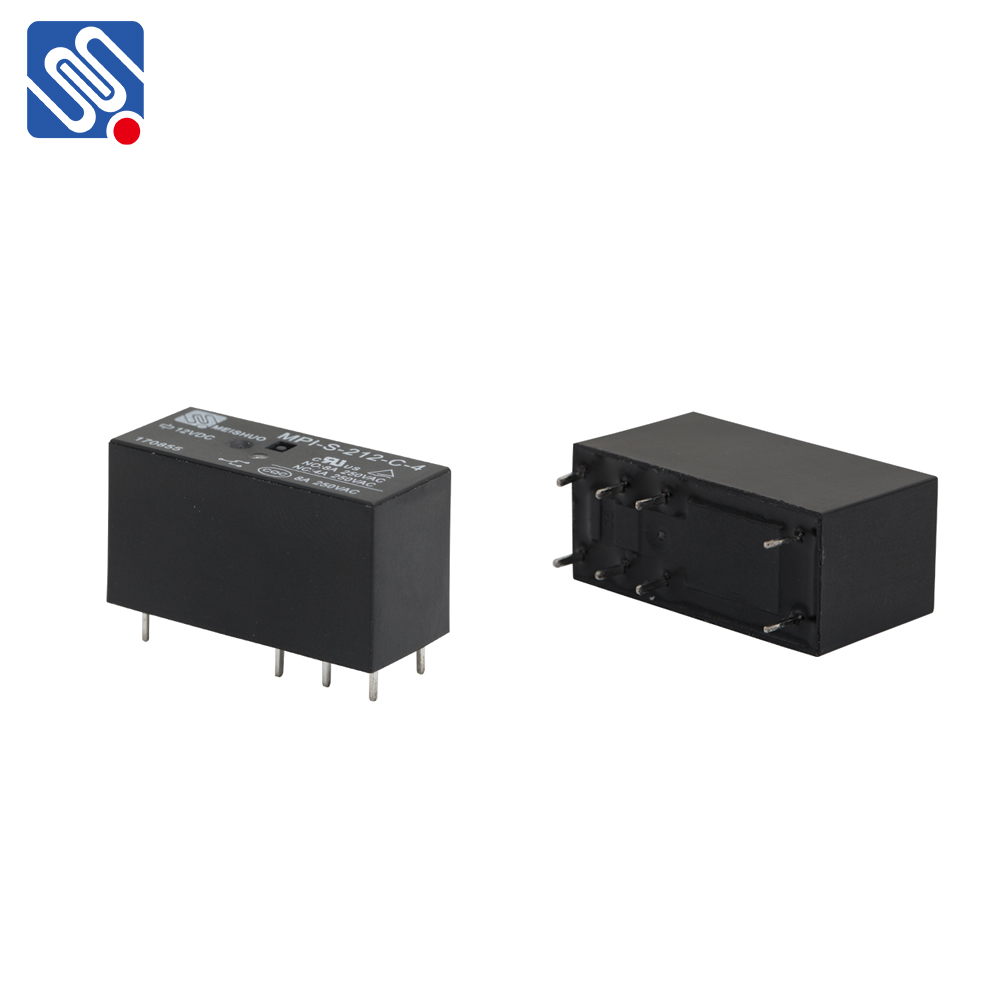
Relay efficiency refers to the effectiveness with which a relay node transmits signals between the source and destination points in a network. In relay-assisted communication systems, relay nodes are employed to amplify and forward signals, thereby extending the reach of the network and enhancing the overall data transfer rate. Relay efficiency is quantified as the ratio of useful signal power delivered to the end user compared to the total power consumed by the relay. An efficient relay ensures that a minimal amount of energy is wasted during the transmission process, thus conserving power while maximizing throughput.