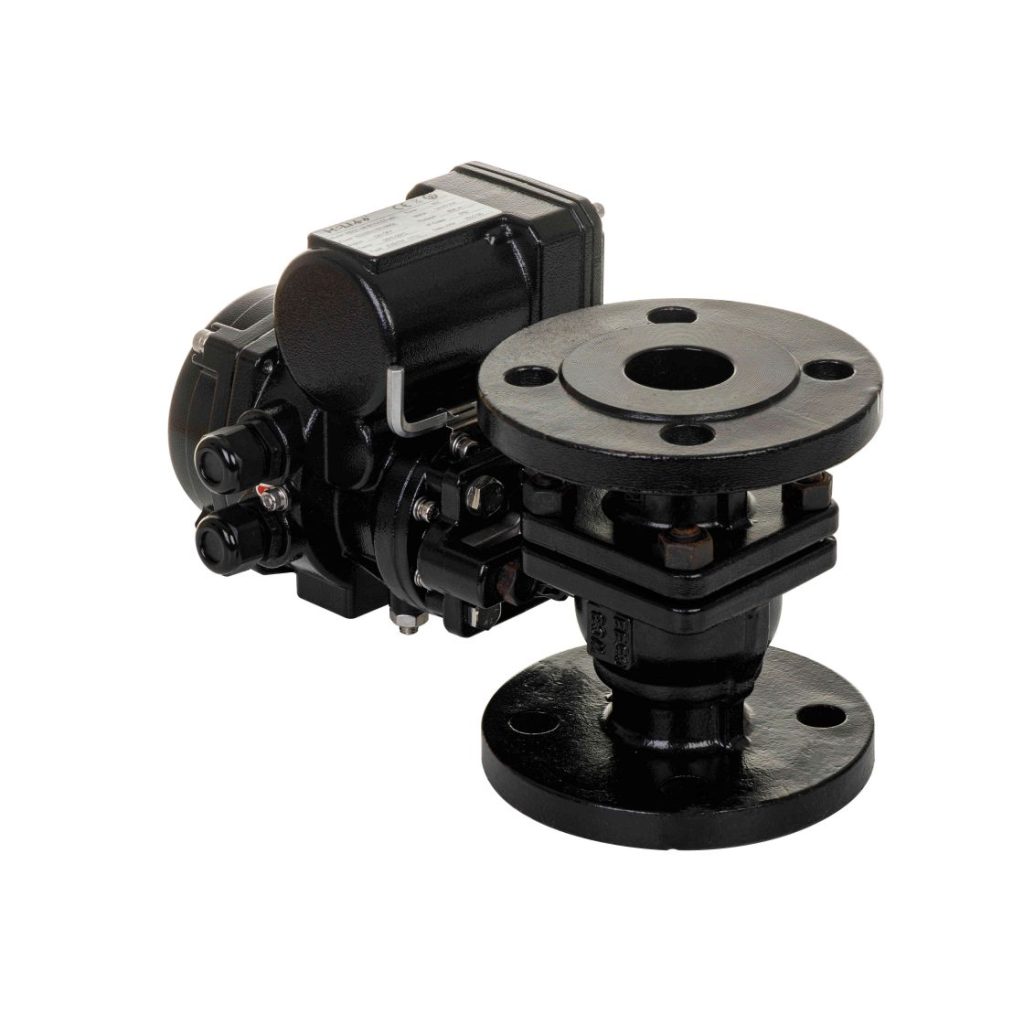
In the modern industrial landscape, efficiency and precision are paramount, and the role of valves in automation systems cannot be overstated. Among the various types of valves used in industrial applications, the Stainless Steel Electric Flange Ball Valve stands out as a crucial component in ensuring smooth, reliable, and controlled fluid flow. These valves are widely used in industries such as oil and gas, water treatment, HVAC systems, and chemical processing. In this article, we will explore the features and benefits of these valves, with a special focus on Heli Automation, a leader in the development and production of cutting-edge valve technologies.
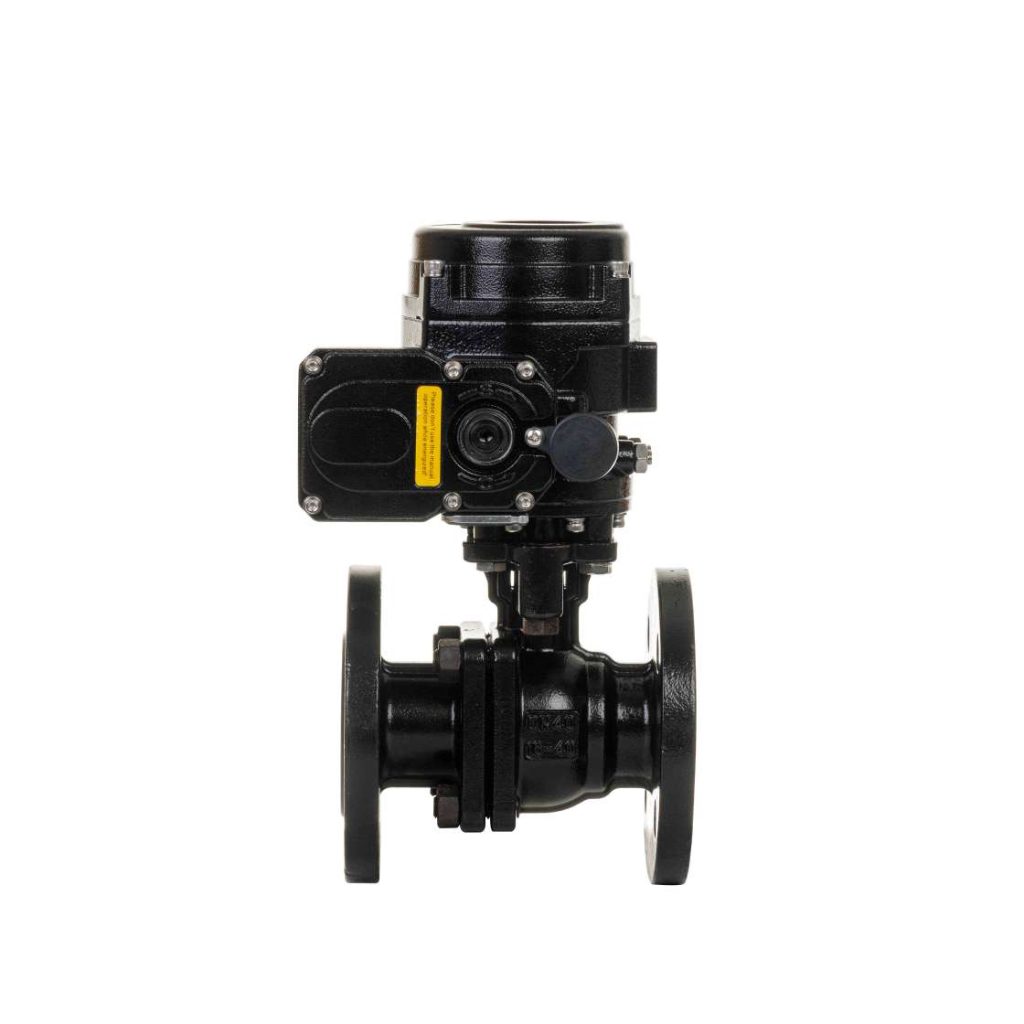
What is a Stainless Steel Electric Flange Ball Valve?
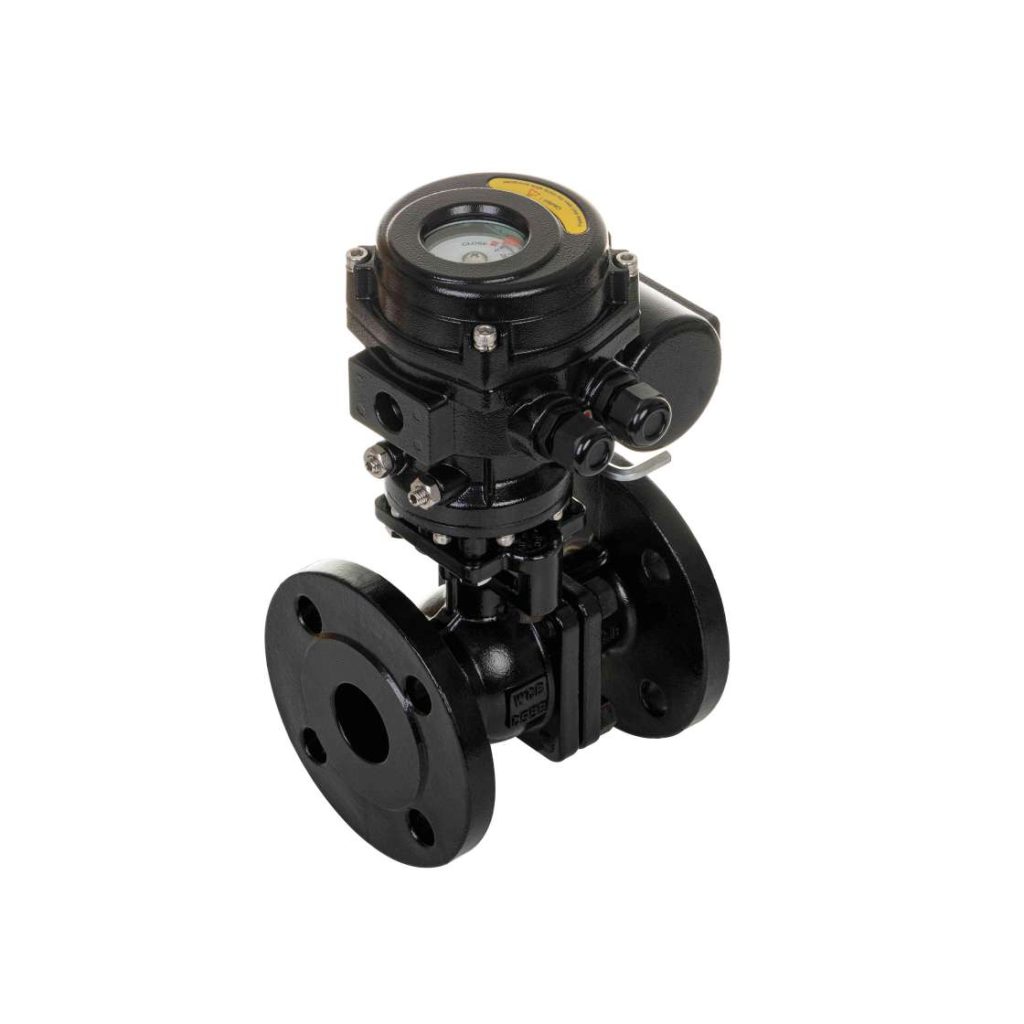
A Stainless Steel Electric Flange Ball Valve is a type of valve that uses an electric actuator to control the opening and closing of a spherical ball inside the valve. The ball has a hole through the center, which allows fluid or gas to pass through when the valve is open. When the ball is rotated by the electric actuator, the hole aligns with the valve body, allowing or blocking the flow of the medium. The flange connection refers to the method by which the valve is securely attached to the piping system, offering a robust and leak-proof seal. The use of stainless steel as the primary material for these valves ensures their durability, resistance to corrosion, and ability to withstand high-pressure and high-temperature environments. These features make stainless steel ball valves ideal for harsh industrial conditions.