Relay technology plays a crucial role in the modern world, enabling efficient control and protection of electrical systems. Relays are fundamental components used in various industries, from telecommunications to automation and power systems. In essence, a relay is an electrically operated switch that opens or closes contacts in response to an electrical signal. It allows low-power electrical circuits to control high-power systems, offering both safety and convenience. This article delves into the core concepts of relay technology, exploring its types, applications, and the advantages it brings to different sectors.
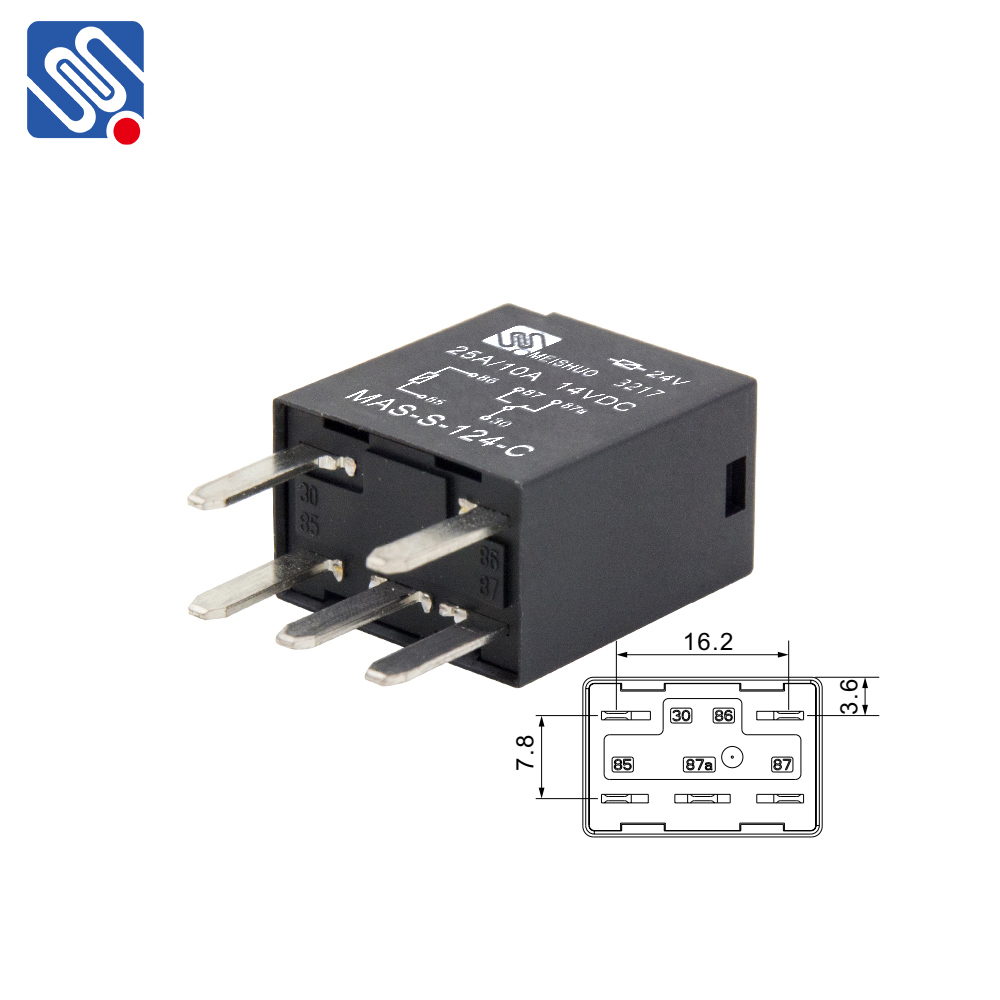
What is a Relay? A relay consists of an electromagnet, a spring, and a set of contacts. When an electric current passes through the electromagnet, it creates a magnetic field that attracts or repels the contacts, opening or closing the circuit. This mechanism allows a low-voltage control signal to influence a high-voltage load, making relays ideal for switching larger systems with small, manageable signals. Relays can be classified into two main categories: electromechanical relays (EMRs) and solid-state relays (SSRs). The former uses mechanical parts to open or close the circuit, while the latter uses semiconductors to achieve the same result. Although SSRs are faster, more reliable, and quieter, EMRs still hold a significant place due to their ability to handle higher currents and provide physical isolation between the control and load circuits.