In the realm of energy storage and power management, lithium-ion batteries have emerged as a cornerstone technology thanks to their high energy density and ability to recharge quickly. As this technology continues to permeate various sectors—from consumer electronics to electric vehicles—it becomes increasingly crucial to ensure the safety and reliability of these batteries. One key component that enhances battery safety is the stainless steel lithium battery valve, which plays a pivotal role in preventing catastrophic failures.
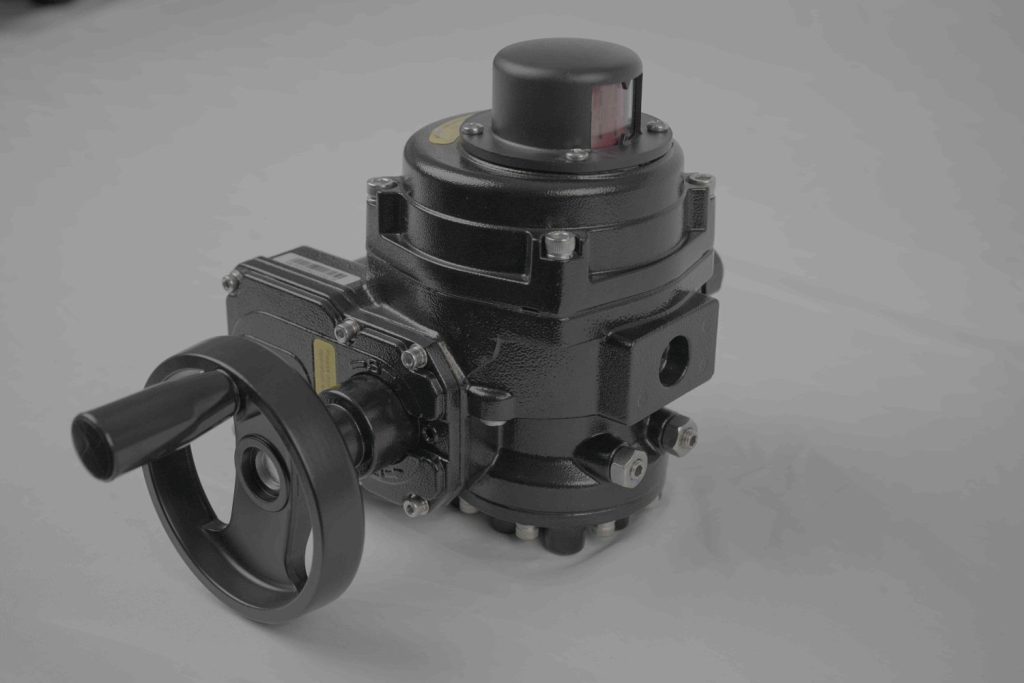
Safety Mechanism A stainless steel lithium battery valve serves primarily as a safety mechanism that helps manage internal pressure within the battery. Lithium-ion batteries can undergo various stress conditions such as overcharging, overheating, or internal short circuits, which can lead to the generation of gas and a rapid increase in pressure. When the internal pressure exceeds a specific threshold, the stainless steel valve opens, allowing gases to escape safely. This process prevents potential rupture or explosion, safeguarding the user and the integrity of the battery. Material Advantages