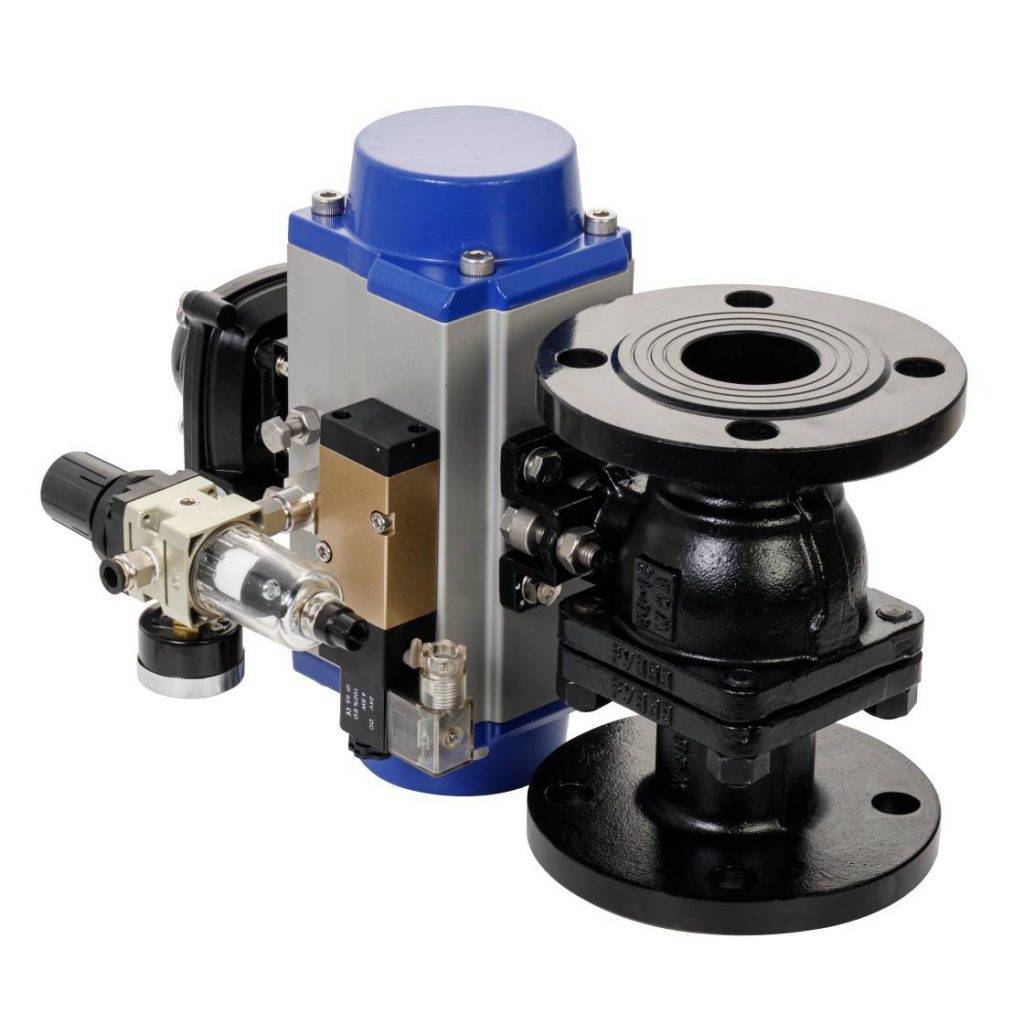
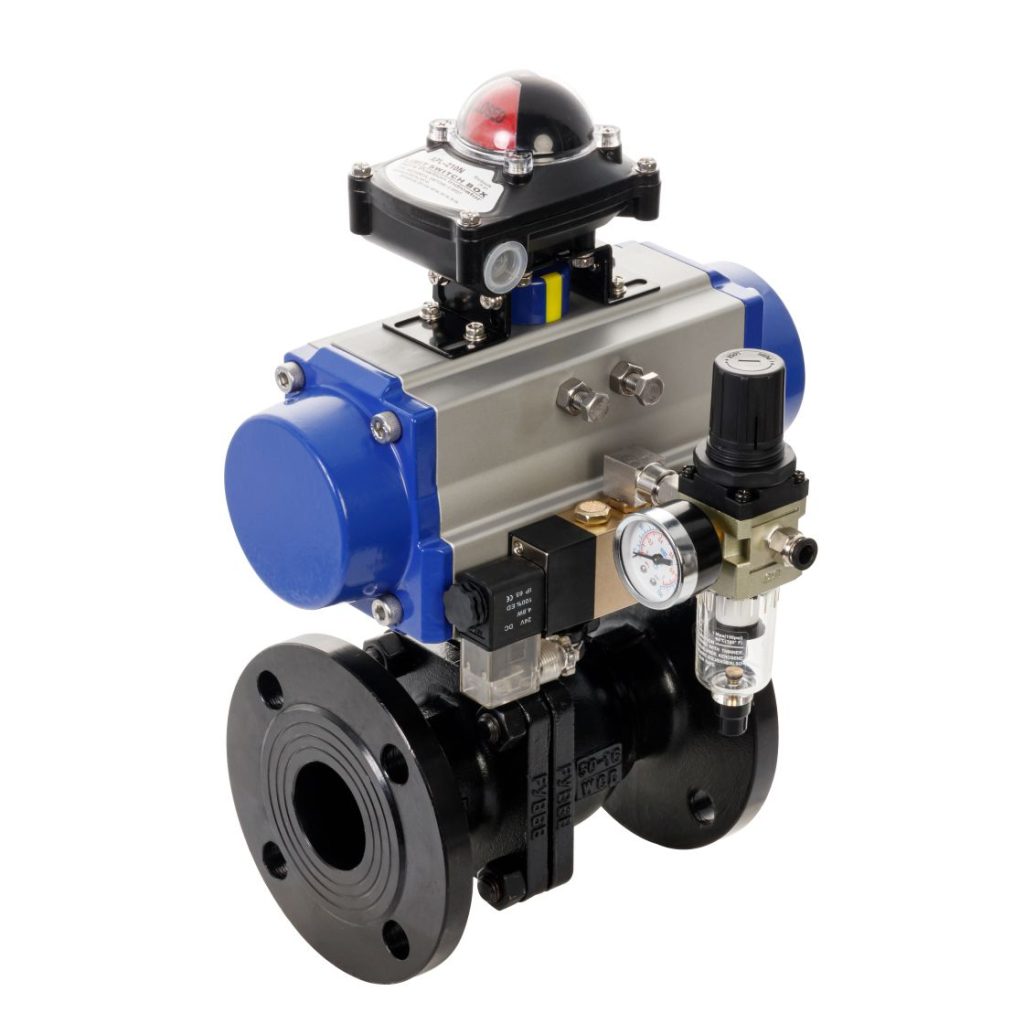
As the global demand for clean energy solutions intensifies, hydrogen energy has emerged as a pivotal player in the transition toward sustainable practices. Among the various components crucial for efficient hydrogen management, the hydrogen energy pneumatic ball valve stands out due to its effectiveness in controlling the flow of hydrogen gas. This article will delve into the design, application, and benefits of hydrogen energy pneumatic ball valves, illustrating their importance in the growing hydrogen economy.
Understanding Pneumatic Ball Valves
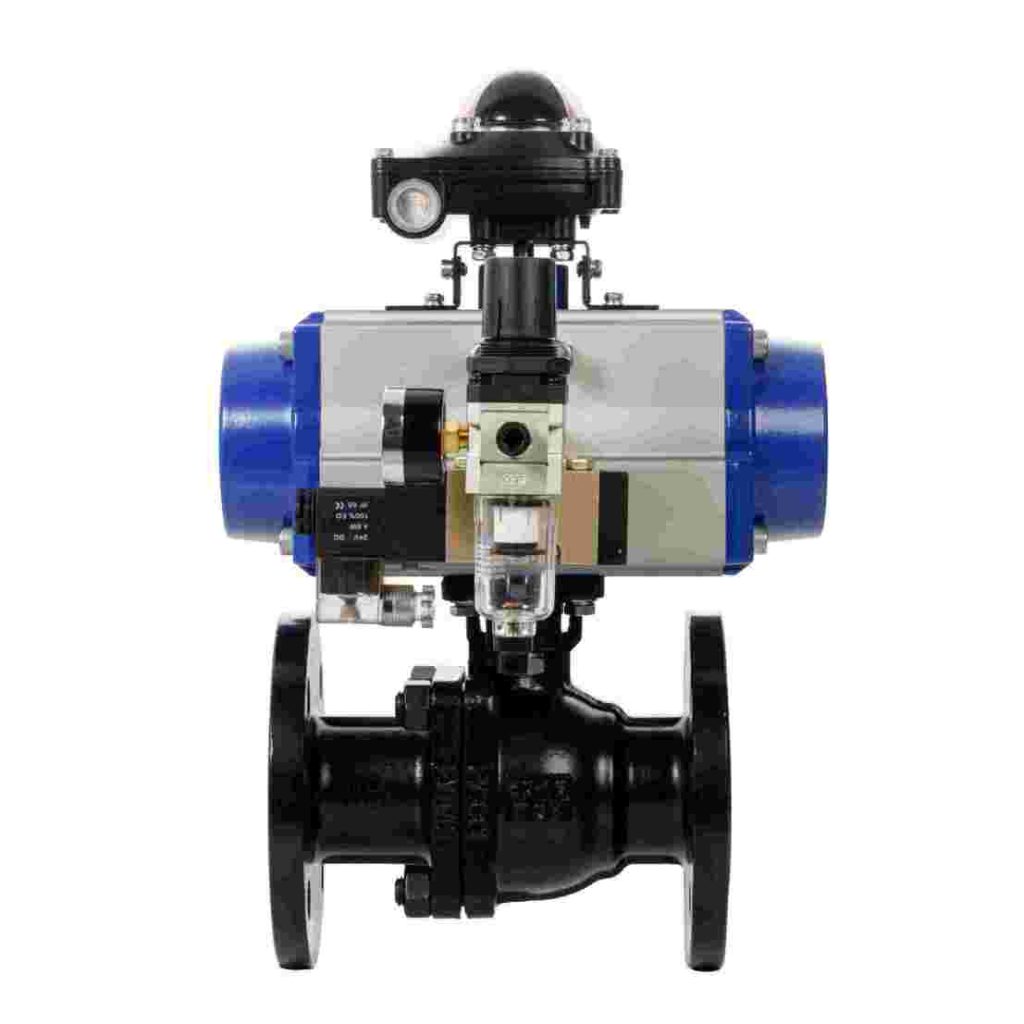
Pneumatic ball valves are mechanical devices designed to regulate fluid flow through a pipeline. The core component of a ball valve is a spherical disc known as the ball, which contains a hole through its center. When the hole aligns with the flow direction, the valve is open, allowing fluid to pass through. Conversely, when the ball is rotated 90 degrees, the hole is perpendicular to the flow, closing the valve and stopping the fluid. This simple yet effective design makes pneumatic ball valves ideal for rapid on-off control. The Role of Hydrogen Energy Hydrogen is increasingly recognized as a clean and versatile energy carrier. When combusted, it produces only water vapor as a byproduct, making it an environmentally friendly alternative to fossil fuels. Hydrogen can be used in various applications, including fuel cells, industrial processes, and as an energy storage medium. As the hydrogen economy expands, the demand for components that can safely and efficiently handle hydrogen gas is rising. Hydrogen energy pneumatic ball valves play a crucial role in this landscape.