Electric two-seat regulating valves are crucial components in modern industrial automation systems, providing a reliable and precise means of controlling fluid flow in a variety of applications. These valves are designed to regulate the flow of liquids, gases, and steam within a piping system by adjusting the valve’s opening, ensuring that the desired flow rate is maintained. In this article, we will explore the functionality, benefits, and applications of electric two-seat regulating valves, with a particular focus on the role of Helix Automation in enhancing their performance and integration in automation processes.
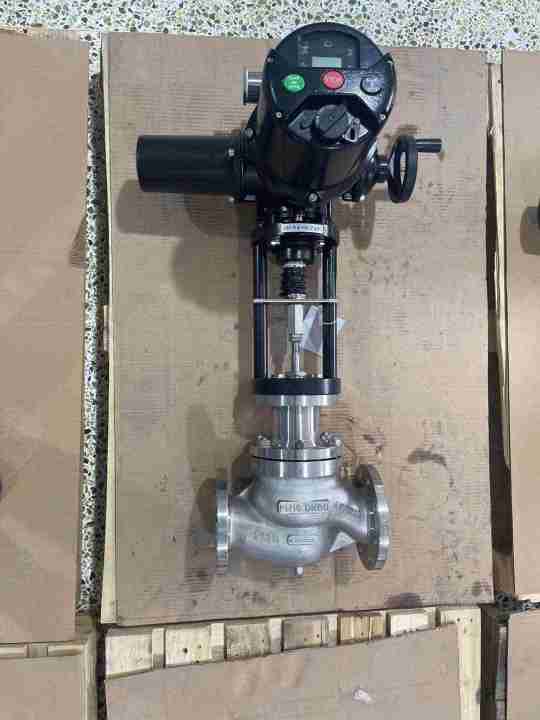
The Role of Electric Two-Seat Regulating Valves The electric two-seat regulating valve consists of two seating surfaces, typically referred to as the valve seats, which provide a tight seal when the valve is closed. These valves are powered by electric actuators, which convert electrical energy into mechanical motion to adjust the valve opening. The electric actuator ensures precise control over the valve position, enabling operators to maintain accurate flow rates and pressures. Electric two-seat regulating valves are often used in applications where precise control of fluid flow is required, such as in chemical processing, HVAC systems, water treatment plants, and power generation. These valves offer several advantages, including enhanced accuracy, faster response times, and the ability to be integrated into automated systems for remote monitoring and control.