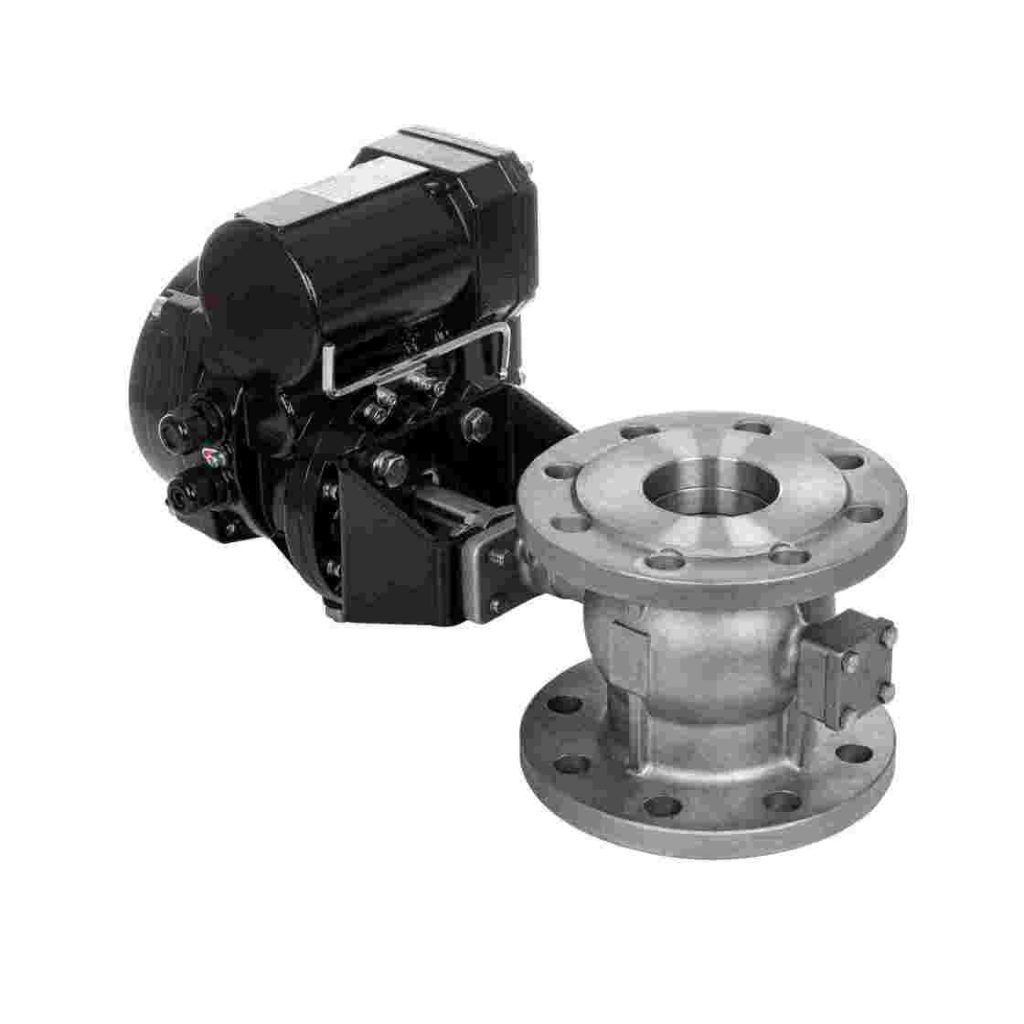
Electric stainless steel ball valves have become a cornerstone in modern industrial automation systems, offering precise flow control, reliability, and durability across various applications. As industries continue to demand more advanced solutions for fluid control, manufacturers of these valves play a crucial role in providing innovative and efficient products. This article explores the importance of electric stainless steel ball valve manufacturers, their contributions to industrial automation, and the key factors that make them essential in a wide range of sectors.
Understanding Electric Stainless Steel Ball Valves
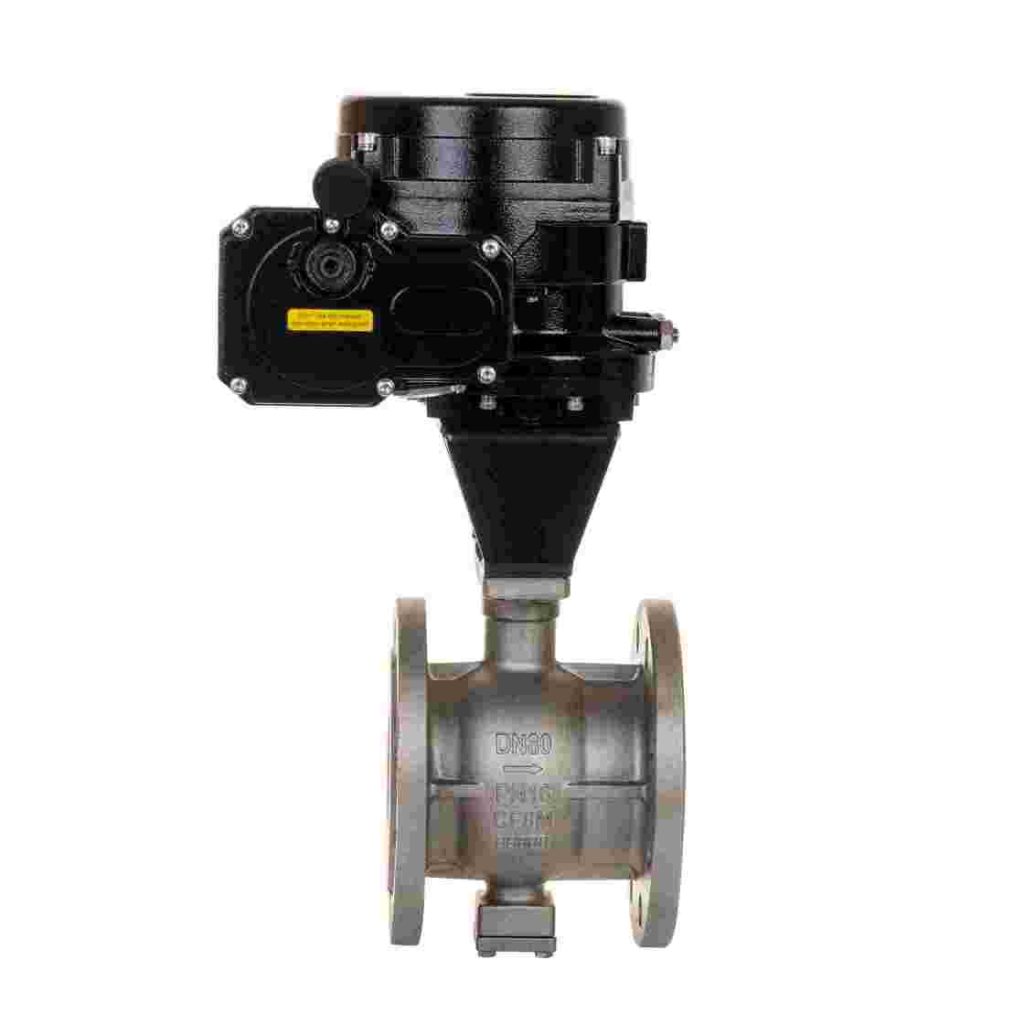
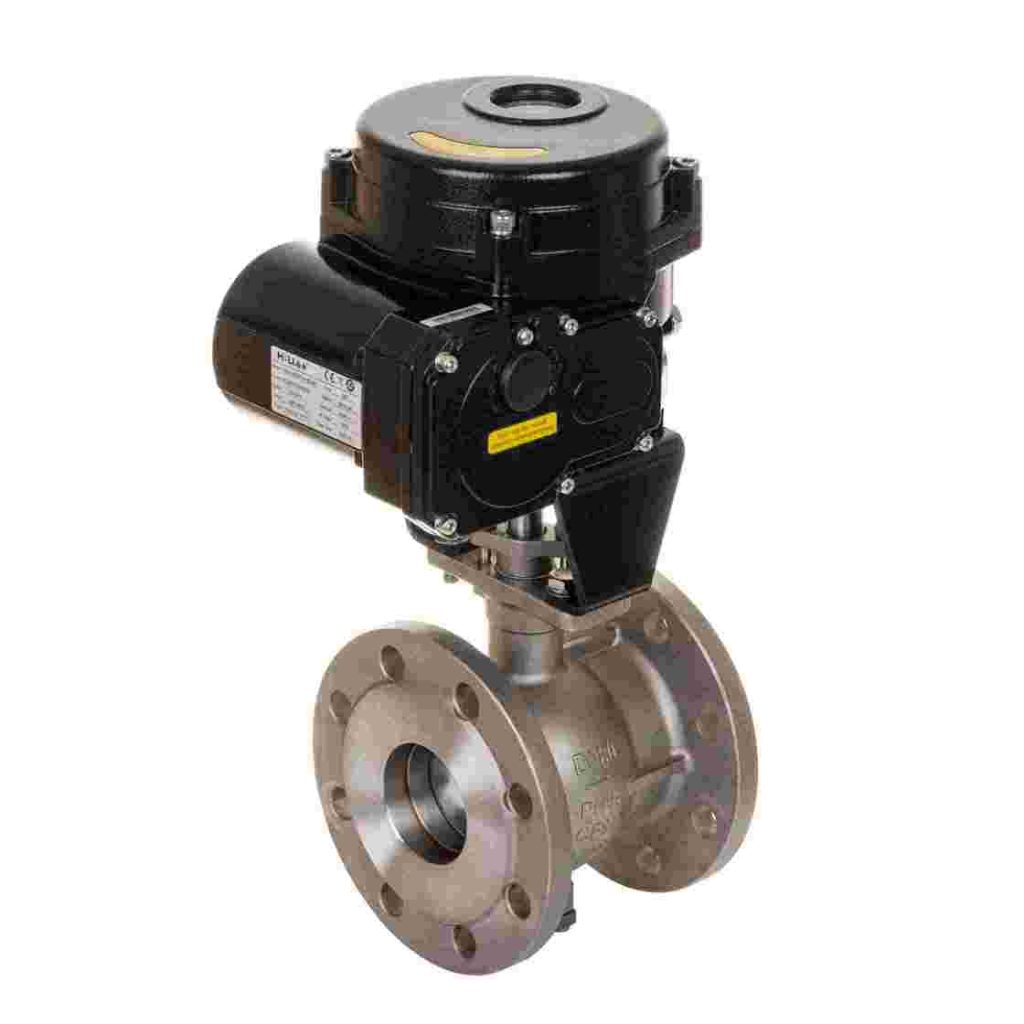
Electric stainless steel ball valves are designed to provide a robust and reliable means of controlling the flow of liquids or gases in pipelines. These valves consist of two main components: the ball valve itself and an electric actuator. The ball valve has a spherical ball with a hole in the middle, which rotates to control the flow. When the valve is fully open, the hole aligns with the pipeline, allowing fluid to pass through. When the valve is closed, the ball rotates 90 degrees to block the flow. The electric actuator is responsible for driving the valve open or closed. It receives an electrical signal, typically from a control system, and translates it into mechanical motion to turn the valve. This mechanism enables remote control, automation, and precise regulation of flow, making electric stainless steel ball valves ideal for use in automated systems.