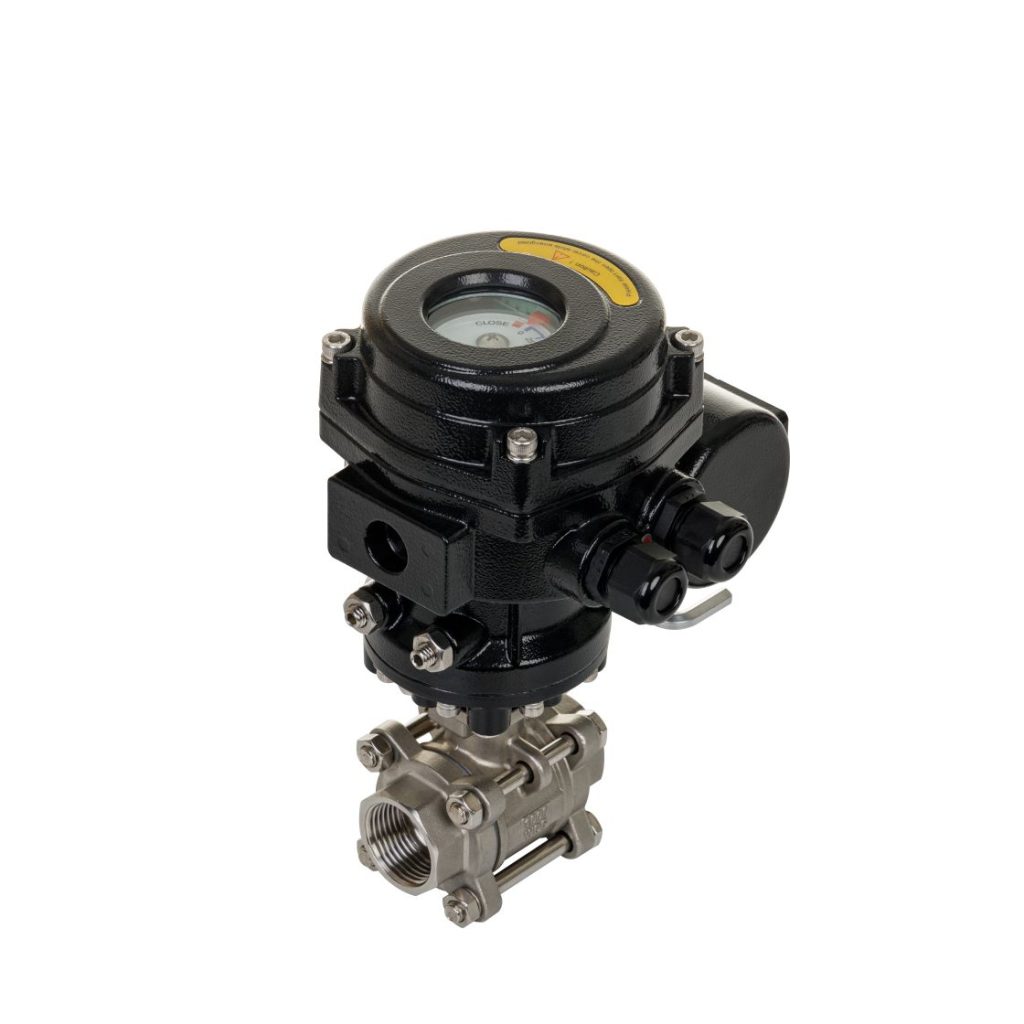
In recent years, the global push for sustainable energy solutions has gained significant momentum, with many industries focusing on renewable resources such as solar, wind, and hydrogen energy. Among these, hydrogen energy stands out as a promising option for clean energy production, capable of reducing our reliance on fossil fuels and decreasing harmful emissions. As industries look to harness the full potential of hydrogen, the development of advanced components, such as the hydrogen energy electric screw ball valve, becomes critical. This innovative valve technology plays a pivotal role in regulating and controlling hydrogen energy systems, ensuring efficiency, safety, and reliability.
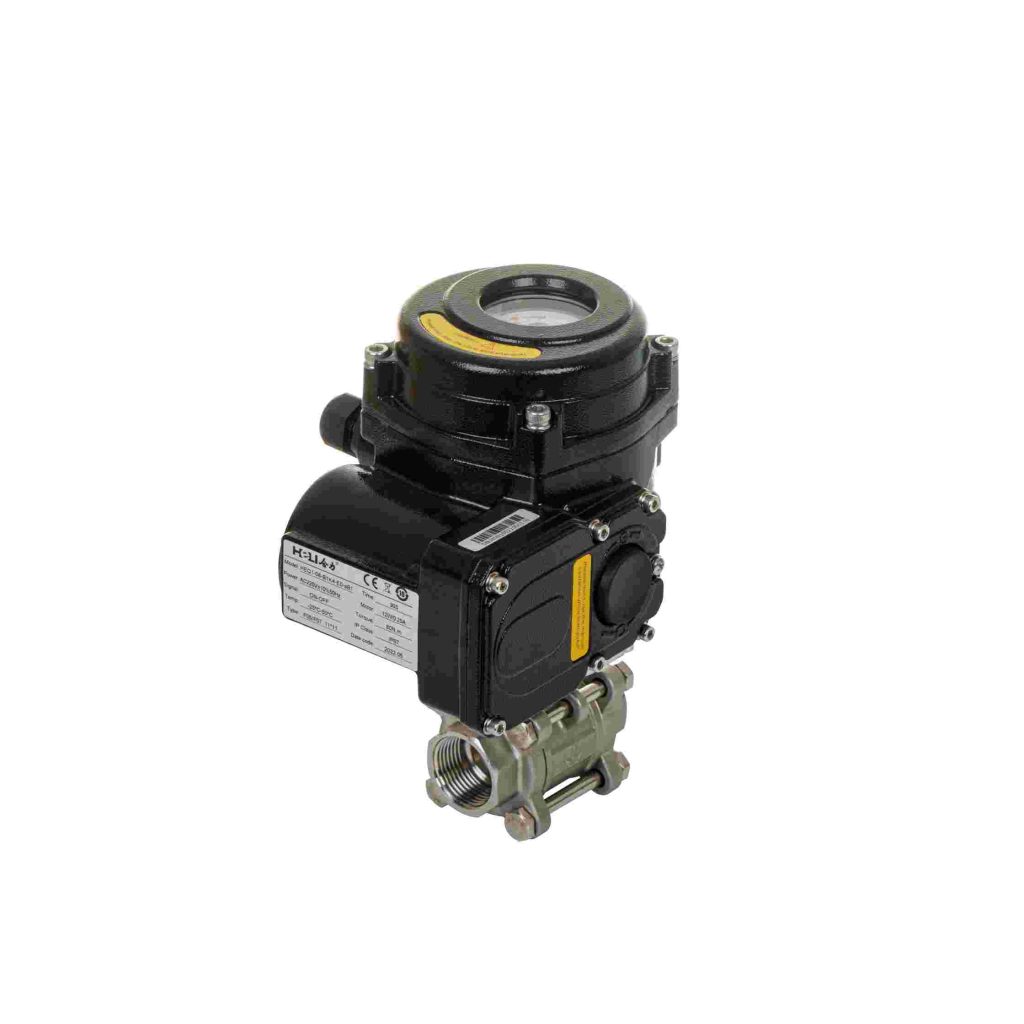
What is a Hydrogen Energy Electric Screw Ball Valve?

The hydrogen energy electric screw ball valve is a specialized valve designed to control the flow of hydrogen gas in pipelines, tanks, and other hydrogen-related applications. It features a ball mechanism inside the valve that rotates to either allow or block the flow of hydrogen. This valve is equipped with an electric actuator that provides precise control over the valve’s operation, making it ideal for automated systems. The combination of the electric actuator and the screw ball design allows for smooth, efficient, and controlled flow management in hydrogen energy applications. The screw ball mechanism in the valve ensures that hydrogen gas can flow freely when needed or be stopped with minimal leakage. It also offers higher performance compared to traditional valve designs, particularly in terms of durability, flow control, and sealing. As the hydrogen economy continues to grow, such components will be essential in ensuring the safe transportation, storage, and utilization of hydrogen.