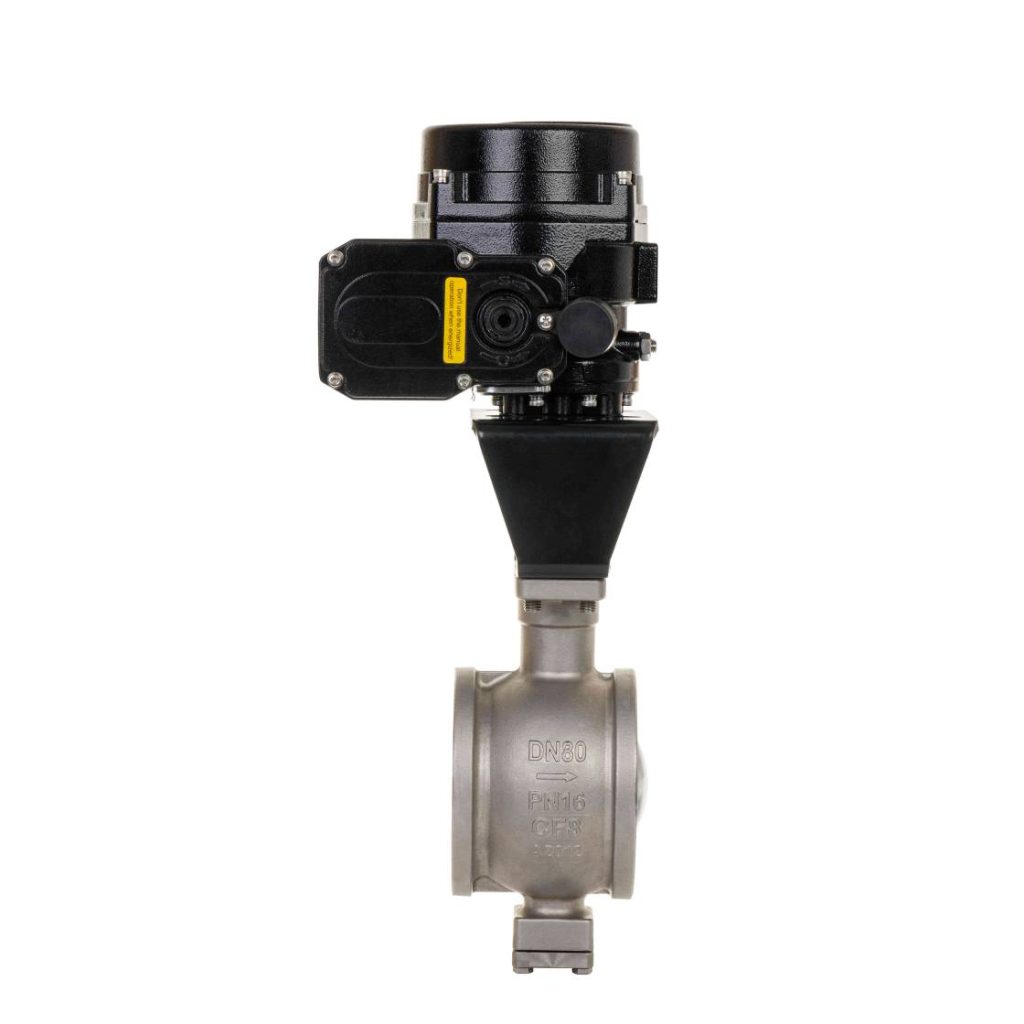
In modern industrial systems, precision and reliability are critical when it comes to controlling fluid flow. This is where the Stainless Steel Electric V-Ball Valve excels. These valves offer a unique combination of durability, precise flow control, and automation, making them essential in various sectors like chemical processing, water treatment, HVAC, and more. This article explores the advantages and applications of the Stainless Steel Electric V-Ball Valve, focusing on its design, functionality, and role in enhancing operational efficiency.
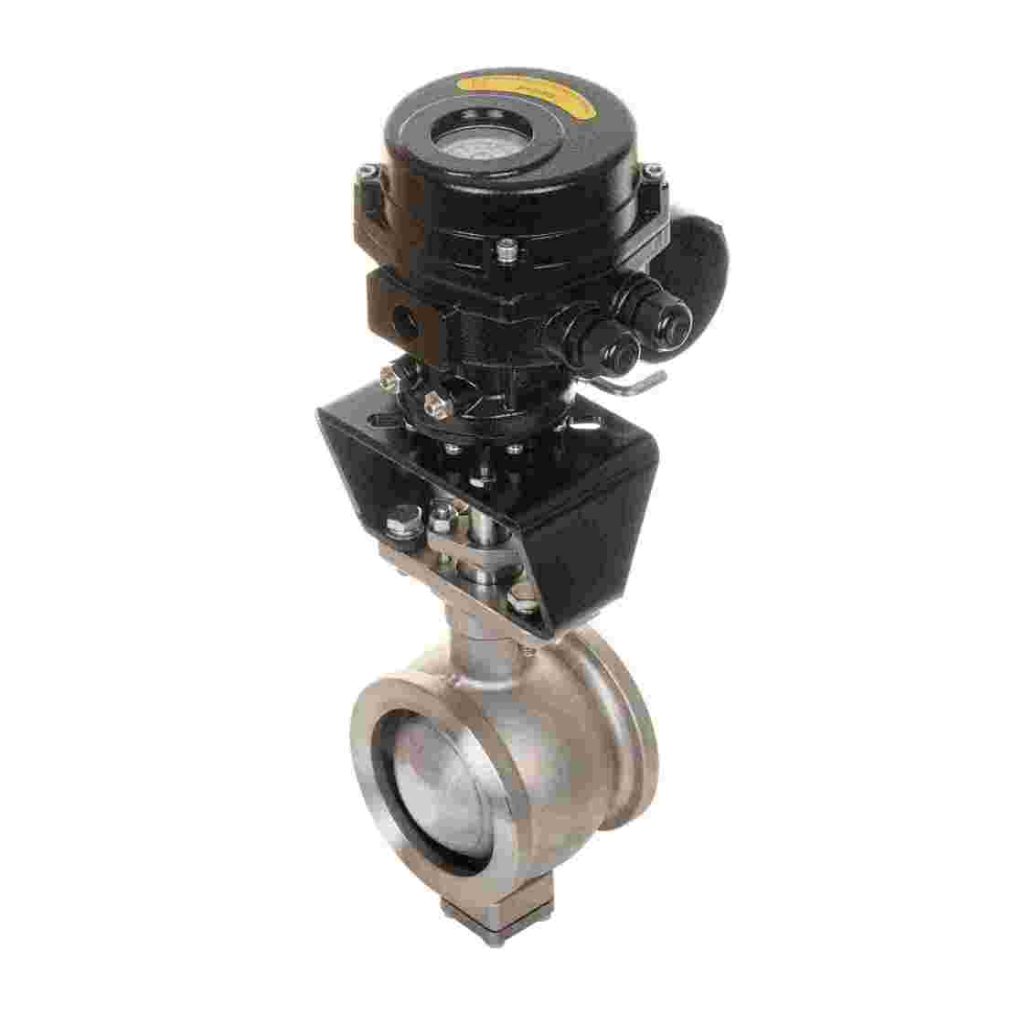
Understanding the Stainless Steel Electric V-Ball Valve
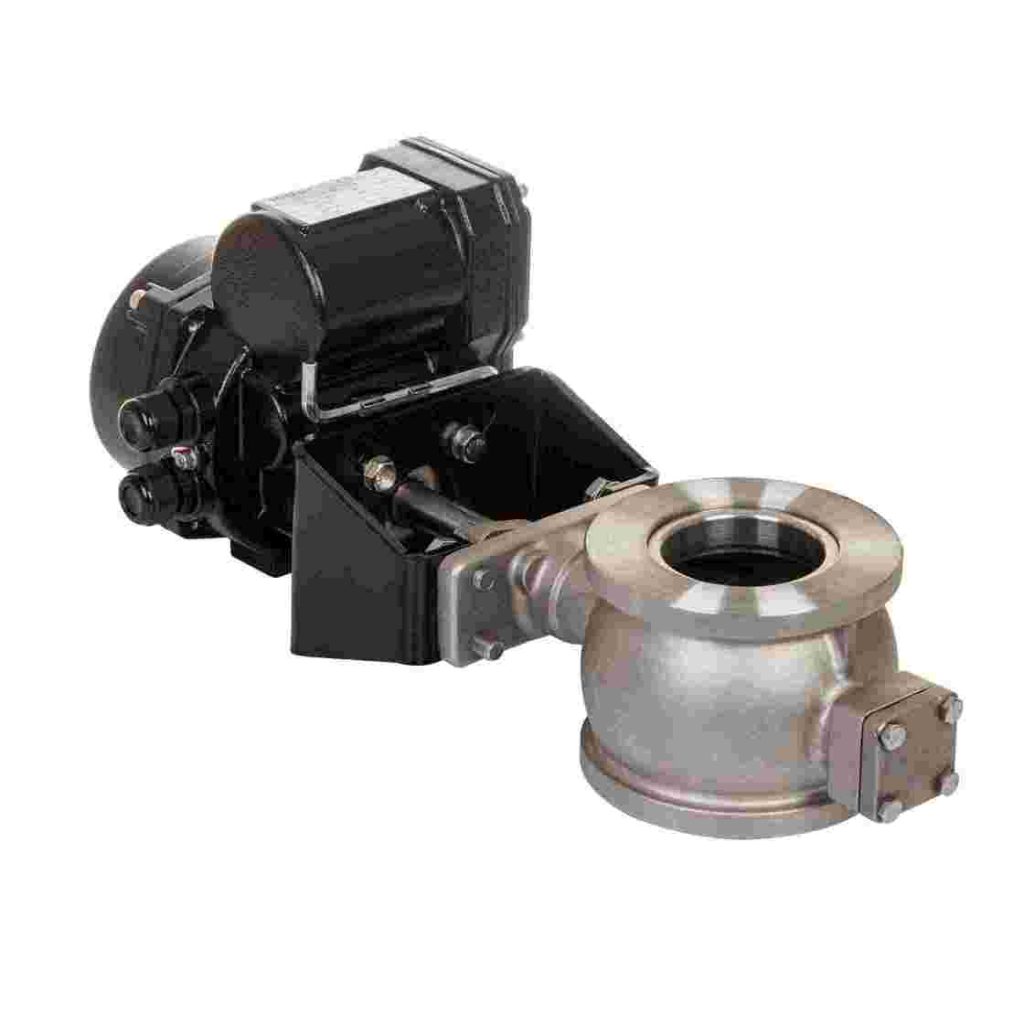
A Stainless Steel Electric V-Ball Valve consists of three main components: a stainless steel valve body, a V-shaped ball (the valve core), and an electric actuator. The electric actuator is responsible for controlling the valve’s position (open, closed, or partially open) based on electrical signals, making it easier to automate and remotely manage. The V-shaped ball inside the valve is a critical feature. Unlike standard ball valves, which have a simple spherical design, the V-shaped ball creates a more controlled flow path. This enables the valve to precisely regulate the flow rate, making it ideal for applications requiring throttling or fine flow control.