In the realm of fluid control systems, solenoid valves play an integral part in managing the flow of liquids and gases across a variety of applications. These electromechanical devices utilize electromagnetic force to open or close pathways, thereby controlling the movement of fluids. With the increasing demand for automation and efficient fluid management, the role of solenoid valve manufacturers has become more crucial than ever.
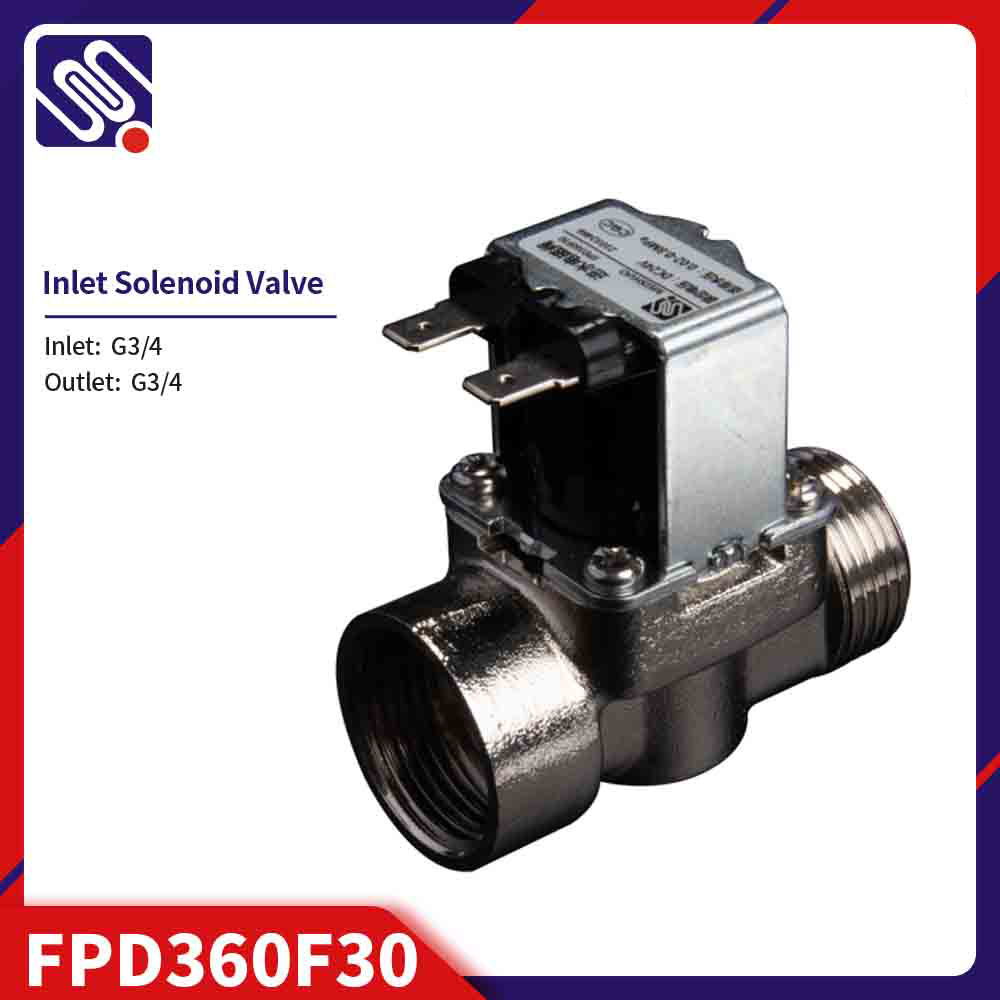
What Are Solenoid Valves? Solenoid valves are electrically operated valves that utilize a solenoid coil to create a magnetic field. When electrical current flows through the coil, it generates a magnetic force that moves a plunger or diaphragm, either opening or closing the valve. This simple yet effective mechanism allows for quick and precise control of fluid flow. Solenoid valves can be designed as normally closed (NC), where the valve remains shut until activated, or normally open (NO), where the valve remains open until activated. Variety of Applications Solenoid valves are found in a multitude of industries, including automotive, HVAC, food and beverage, pharmaceutical, and irrigation systems. In automotive applications, solenoid valves control fuel flow and emissions, enhancing engine efficiency and reducing pollution. In HVAC systems, they manage airflow and temperature, contributing to energy savings and comfort. The versatility of solenoid valves is one of the reasons their manufacturing has gained significant importance.