In any industrial or manufacturing setting, safety is of paramount importance, and one of the most effective ways to ensure the safety of employees during maintenance or repair operations is through the use of Lockout/Tagout (LOTO) safety devices. Among these devices, the LOTO safety padlock plays a crucial role in preventing accidents related to the unintended release of energy from machinery or equipment. This article explores the function, features, and importance of LOTO safety padlocks in ensuring a secure working environment.
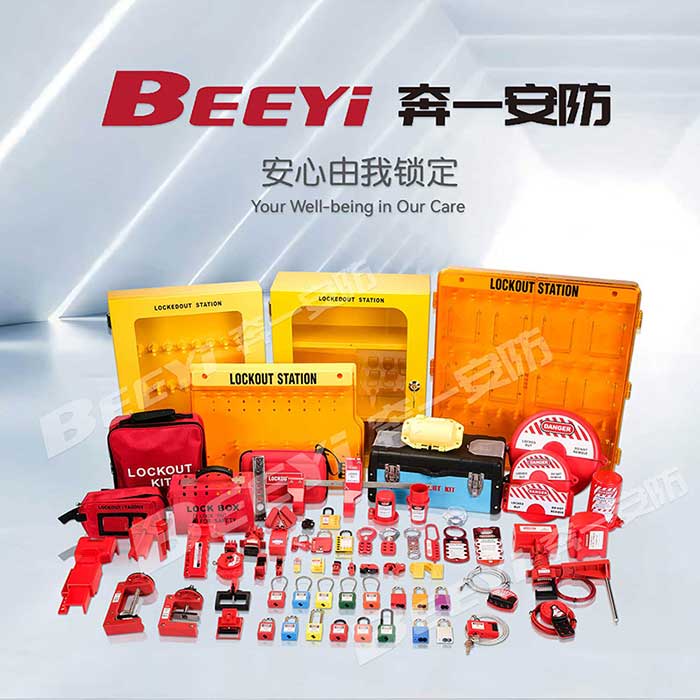
What is a LOTO Safety Padlock? LOTO stands for “Lockout/Tagout,” a safety procedure used to prevent machinery or electrical equipment from being accidentally turned on during maintenance work. A LOTO safety padlock is a physical lock designed to isolate or “lock out” an energy source, such as electricity, steam, or hydraulic pressure, in order to protect workers who are performing repairs or maintenance. These locks are part of a broader LOTO program that includes various tools and devices, including tags, keys, and energy isolating devices. LOTO safety padlocks are often used in conjunction with a lockout device on a machine or electrical system. These locks serve as a visual and physical deterrent, signaling that the equipment is under maintenance and should not be operated. The lock also ensures that only the individual who applied it can remove it, which is critical for maintaining control over potentially dangerous machines or systems.