The starter motor relay plays a vital role in the starting system of vehicles, acting as a crucial link between the vehicle’s battery and the starter motor. While it might seem like a minor component, its function is essential for the reliable operation of a vehicle. Without a properly functioning starter motor relay, a vehicle may fail to start or experience intermittent starting problems. This article explores the role of the starter motor relay, how it works, common issues associated with it, and the importance of regular maintenance.
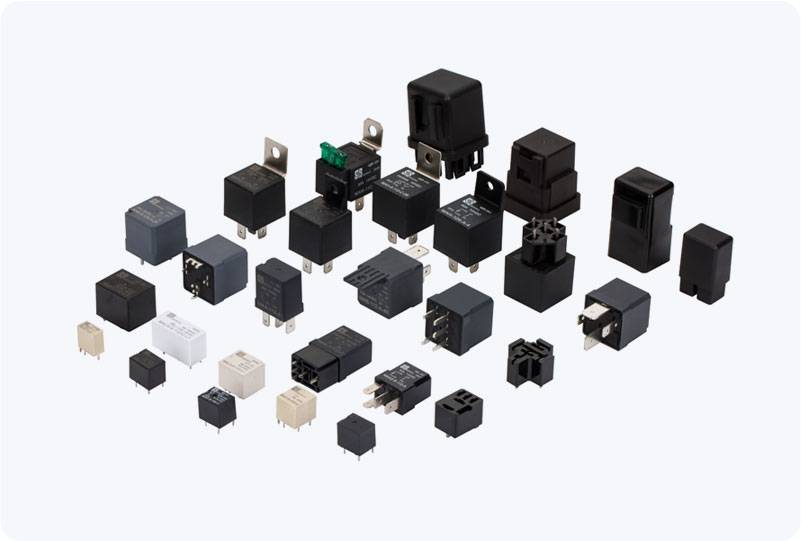
What Is a Starter Motor Relay? A starter motor relay is an electromagnetic switch used in the starting system of internal combustion engine vehicles. Its primary function is to allow a large current to flow from the vehicle’s battery to the starter motor, which is responsible for turning the engine over and initiating the combustion process. The starter motor relay acts as a bridge between the ignition system and the starter motor, providing the necessary power to the motor when you engage the ignition. It is controlled by a smaller current from the ignition switch, which triggers the relay to close and send the larger current required to activate the starter motor.