Lockout hasps play a critical role in ensuring safety in industrial environments where machinery and equipment are frequently serviced, maintained, or repaired. These safety devices are designed to prevent the accidental or unauthorized activation of machinery while workers are in the process of maintenance or troubleshooting. Among the many types of lockout devices, custom lockout hasps are gaining increasing attention due to their ability to meet specific safety requirements in various industries. In this article, we will explore the role of custom lockout hasps manufacturers and how they contribute to the overall safety landscape in industrial settings.
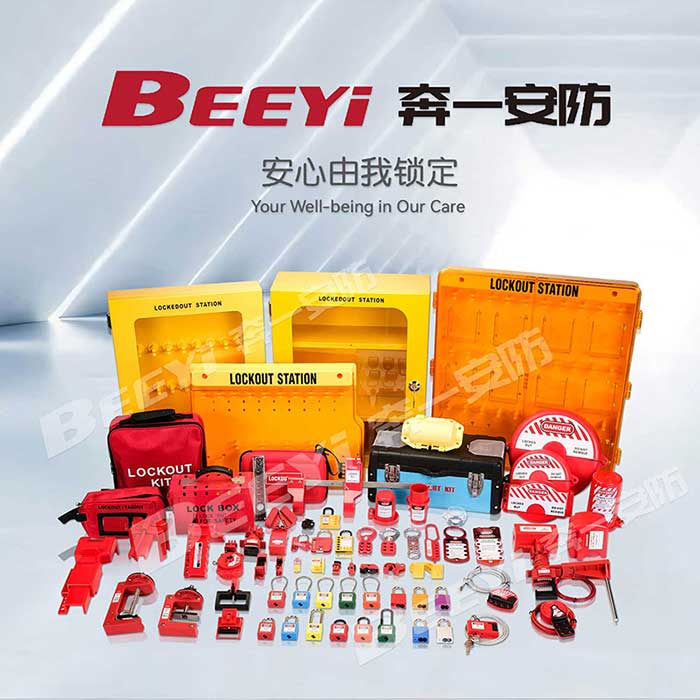
What Are Custom Lockout Hasps? Custom lockout hasps are security devices used in conjunction with lockout/tagout (LOTO) procedures to secure machinery during maintenance work. The primary function of a lockout hasp is to allow multiple workers to apply their own locks to a single device, ensuring that the equipment remains inoperable until all workers have removed their locks. Custom lockout hasps are tailored to meet the unique needs of a specific environment, allowing manufacturers to offer a variety of sizes, materials, and locking configurations. The custom aspect of these hasps comes into play when standard models do not suffice for particular machinery or equipment. For example, a plant may require a lockout hasp that can accommodate more locks due to the size of the maintenance team or one that can withstand harsh environmental conditions like extreme temperatures or corrosive substances. In such cases, manufacturers work closely with clients to develop lockout hasps that meet these specialized needs.