The evolution of automotive technology has brought forth a significant shift in how we power our vehicles, particularly with the advent of electric and hybrid vehicles (EVs and HEVs). At the heart of these innovations lies an essential component known as the Battery Pack Main Relay (BPMR). This article aims to delve into the significance, functionality, and best practices related to the BPMR, shedding light on why it is a critical element in modern automotive design.
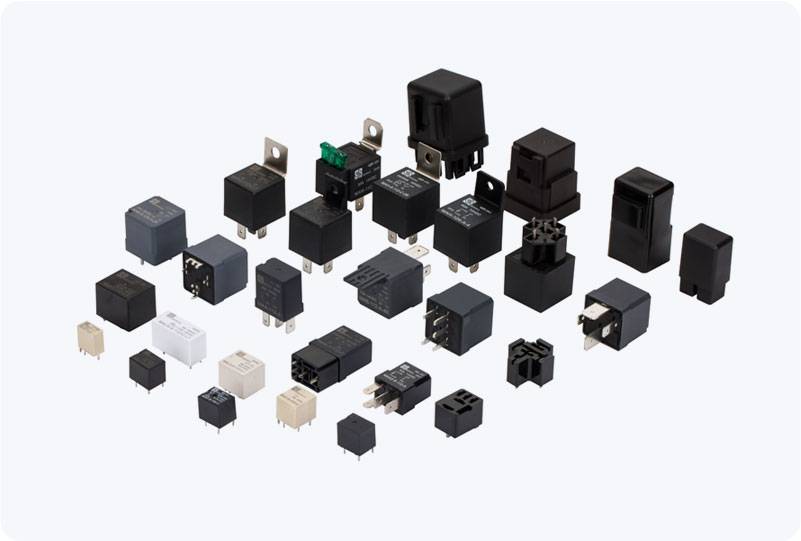
What is a Battery Pack Main Relay? The Battery Pack Main Relay is an electromechanical switch that facilitates the connection between the high-voltage battery pack and the vehicle’s electrical systems. It serves as the primary controller for the flow of electricity, allowing for the safe and efficient distribution of power to various vehicle components such as the motor, heating elements, and auxiliary systems. The BPMR effectively operates as a gatekeeper, managing the electrical supply based on the vehicle’s operational needs. Functions of the Battery Pack Main Relay Power Control: The BPMR’s foremost function is to control the power flow from the battery to the vehicle’s systems. It can open or close the circuit based on signals from the Battery Management System (BMS), which monitors the battery’s state and overall health. This way, the BPMR assists in optimizing energy usage and ensuring that power is only supplied when needed.