In industrial environments, the safety of workers is paramount, especially when they are working with heavy machinery or complex systems that contain hazardous energy. One of the most effective methods to ensure worker safety is the Lockout/Tagout (LOTO) system. The LOTO safety lock is a crucial component of this safety protocol, designed to prevent the accidental release of hazardous energy during maintenance or servicing. This article explores the importance of LOTO safety locks, their components, and their role in ensuring a safe workplace.
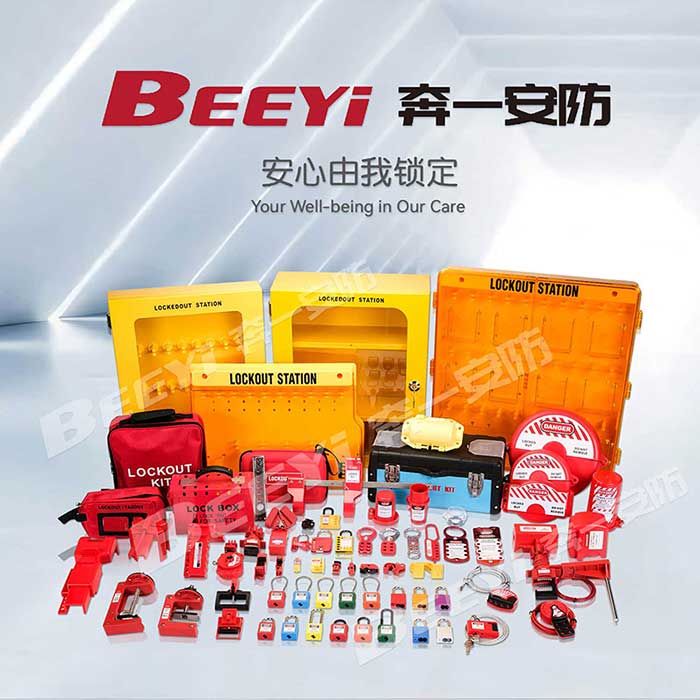
What is LOTO? LOTO stands for Lockout/Tagout, a safety procedure used to ensure that machines or equipment are properly shut down and cannot be restarted before maintenance or repair work is completed. This protocol is designed to protect workers from the dangers associated with the unexpected release of hazardous energy—such as electrical, mechanical, hydraulic, or thermal energy—while they are servicing equipment. The LOTO system involves two main elements: lockout and tagout. Lockout involves physically isolating the energy source with a lockout device (usually a padlock or similar mechanism), while tagout refers to the use of a warning tag to alert workers of potential hazards. LOTO safety locks are critical to this system, as they are used to securely lock energy-isolating devices, preventing unauthorized access or operation.