Reverse Osmosis (RO) technology has become an integral part of modern water purification systems, used in both residential and industrial settings. One crucial component in these systems is the Reverse Osmosis Solenoid Valve, a device that controls the flow of water through the system. This article delves into the significance of the RO solenoid valve, its working principles, applications, and maintenance, providing a comprehensive overview of its role in ensuring efficient water purification.
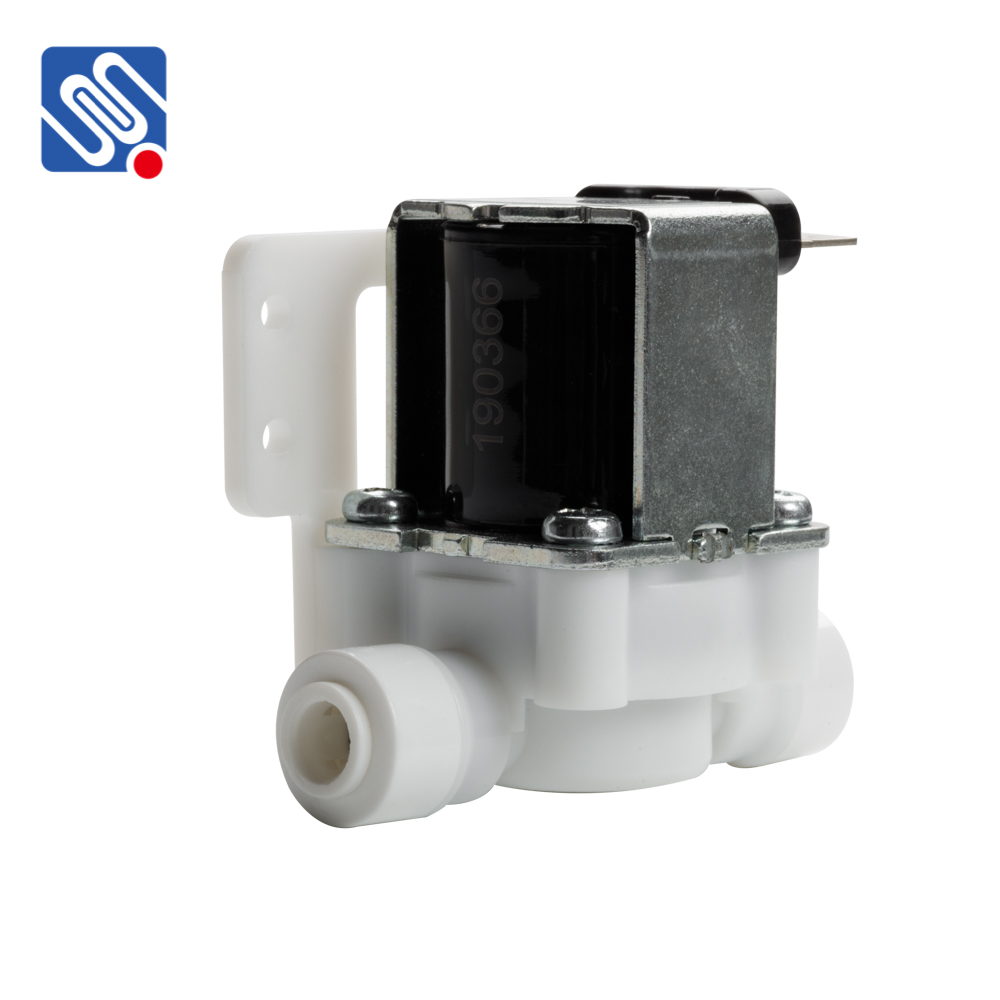
What is a Reverse Osmosis Solenoid Valve? A Reverse Osmosis Solenoid Valve is an electrically controlled valve used to regulate the flow of water in a reverse osmosis water filtration system. This valve operates by using an electromagnetic solenoid coil to open or close the valve, based on an electrical signal. The solenoid valve is essential for the automated operation of an RO system, allowing it to manage water intake, waste management, and overall flow control. The Role of the Solenoid Valve in Reverse Osmosis Systems The Reverse Osmosis system works by forcing water through a semipermeable membrane to remove impurities such as salts, bacteria, and minerals. The solenoid valve plays a critical role in this process by acting as a gatekeeper that opens and closes the water flow based on the system’s operational needs.