In the era of digital transformation, automation plays a pivotal role in enhancing the efficiency and performance of various systems. One of the key components enabling this automation is the Smart Relay. Traditionally, relays were simple electromechanical devices used to control circuits, but the rise of smart technology has led to the development of Smart Relays, which offer a range of advanced features like remote control, monitoring, and integration with the Internet of Things (IoT). This article will explore what Smart Relays are, their benefits, and their applications in modern automation systems.
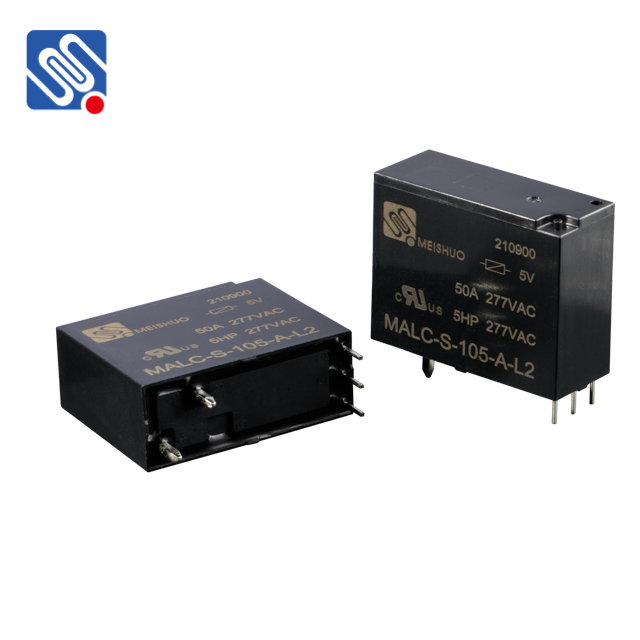
What is a Smart Relay? A Smart Relay is a sophisticated version of the traditional relay, combining its basic functionality with additional intelligent features. Unlike conventional relays, which are primarily used for switching electrical circuits on and off, Smart Relays are equipped with sensors, communication capabilities, and programmable logic. These features enable them to perform complex tasks like remote control, data collection, fault detection, and integration into larger automation systems. Essentially, they function as the “brain” of an automation setup, capable of making decisions based on real-time data and predefined logic.