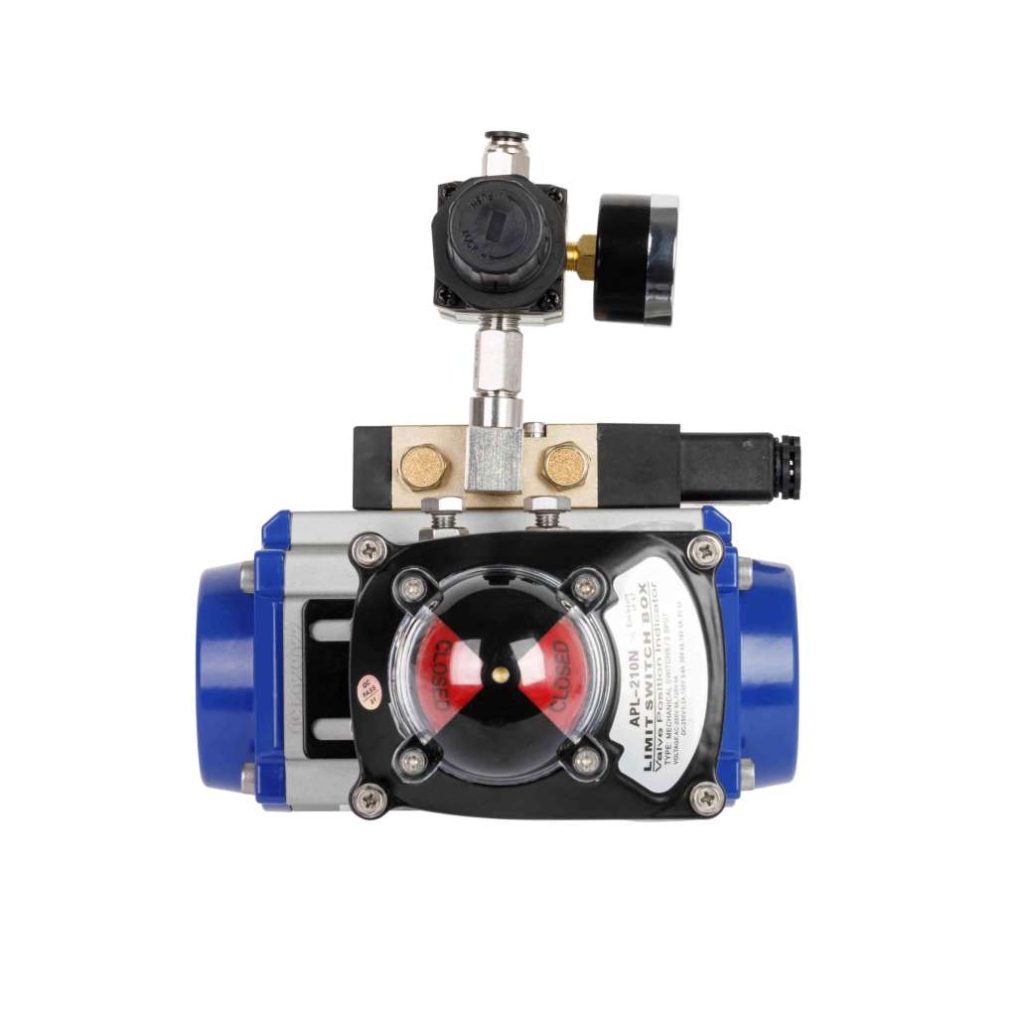
Pneumatic actuators are widely used devices in various industries, playing a crucial role in automating processes and improving efficiency. These devices convert compressed air into mechanical motion, providing fast, reliable, and cost-effective solutions for many industrial applications. With the increasing demand for automation in industries like manufacturing, robotics, and energy, pneumatic actuators are becoming an integral part of modern systems. This article will explore the working principle, types, advantages, and applications of pneumatic actuators.
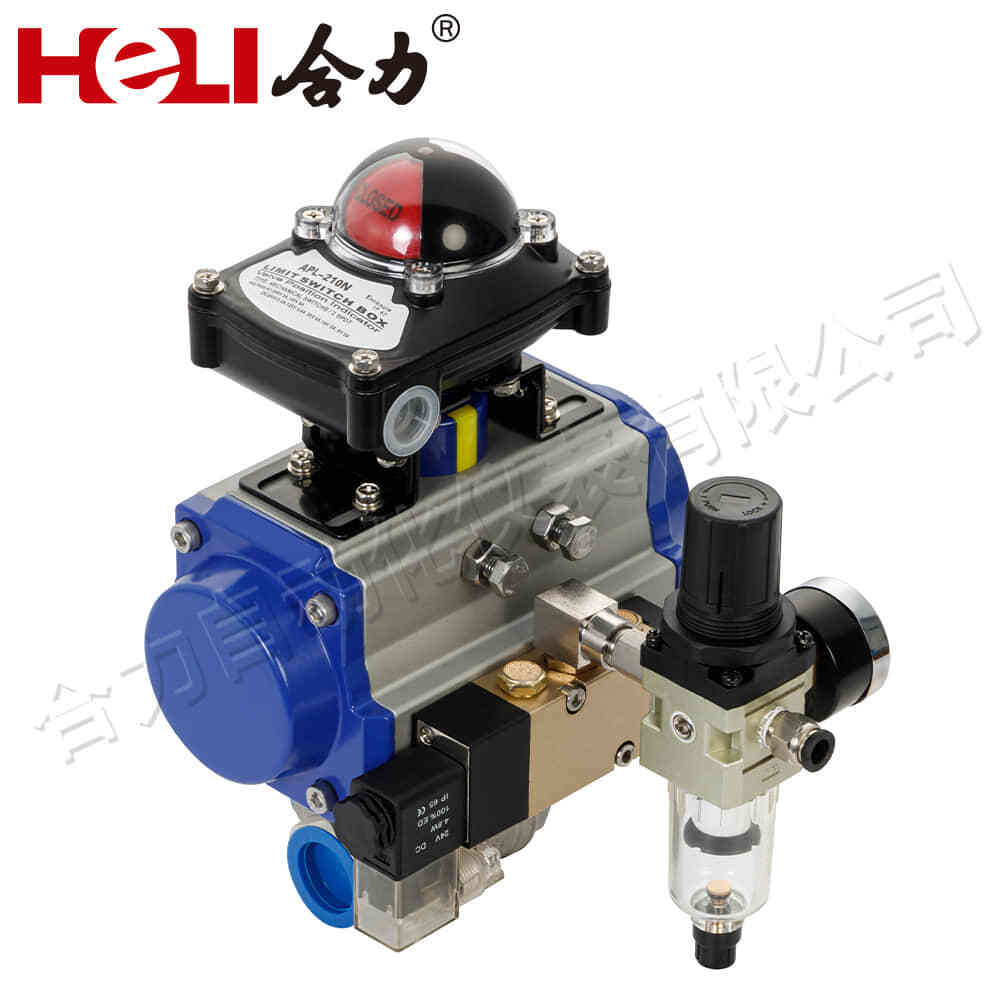
Working Principle of Pneumatic Actuators
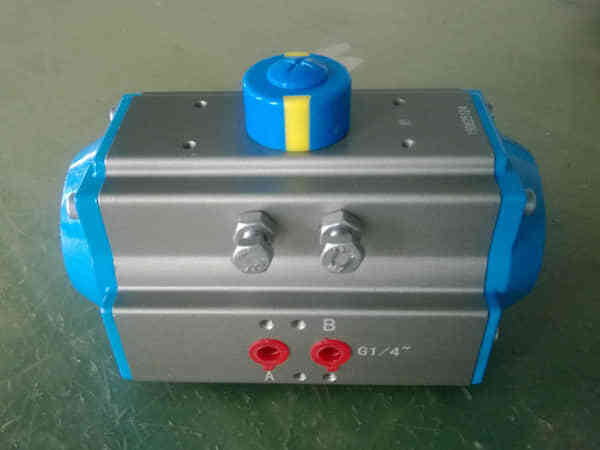
The working principle of a pneumatic actuator is straightforward. It operates using compressed air to generate motion. The core components of a pneumatic actuator include a cylinder, piston, and air valve. When compressed air enters the actuator through a valve, it forces the piston inside the cylinder to move. This movement is transferred to the mechanical system, enabling actions such as opening and closing valves or moving mechanical arms. The force exerted by the piston can be controlled by adjusting the air pressure or regulating the flow of air into the actuator. Once the air pressure is released, the actuator typically returns to its original position, either through a spring or by external forces.