Hydrogen energy is rapidly gaining attention as one of the most promising alternatives to traditional fossil fuels. Its potential to reduce carbon emissions and facilitate a transition to cleaner, more sustainable energy systems makes it a key player in the future of energy. One of the crucial components in hydrogen systems, such as fuel cells, hydrogen production, and storage, is the Hydrogen Energy Electric Two-Seat Regulating Valve. This specialized valve plays a vital role in ensuring the safe and efficient flow of hydrogen within these systems.
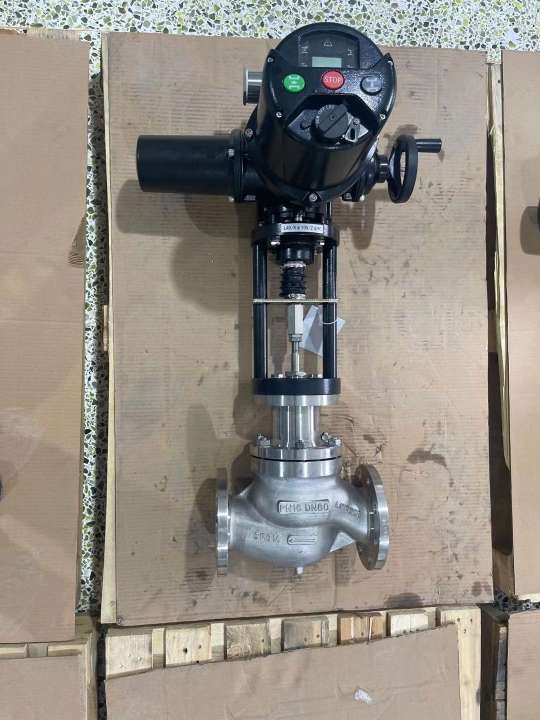
What is a Hydrogen Energy Electric Two-Seat Regulating Valve? At its core, a Hydrogen Energy Electric Two-Seat Regulating Valve is a highly sophisticated mechanical component designed to regulate the flow of hydrogen gas in various energy systems. It is composed of two main parts: the valve body, which contains two seats, and an actuator that controls the opening and closing of the valve. The electric actuator provides precise, automated control over the valve’s operation, allowing for real-time adjustments based on system requirements. In a typical two-seat design, the valve consists of two sealing surfaces or “seats” that help maintain a tight closure when the valve is not in operation. This design allows for improved performance, reduced wear, and more stable flow regulation. The two-seat configuration is particularly important when handling high-pressure fluids like hydrogen, where sealing quality and reliability are essential for safety and efficiency.