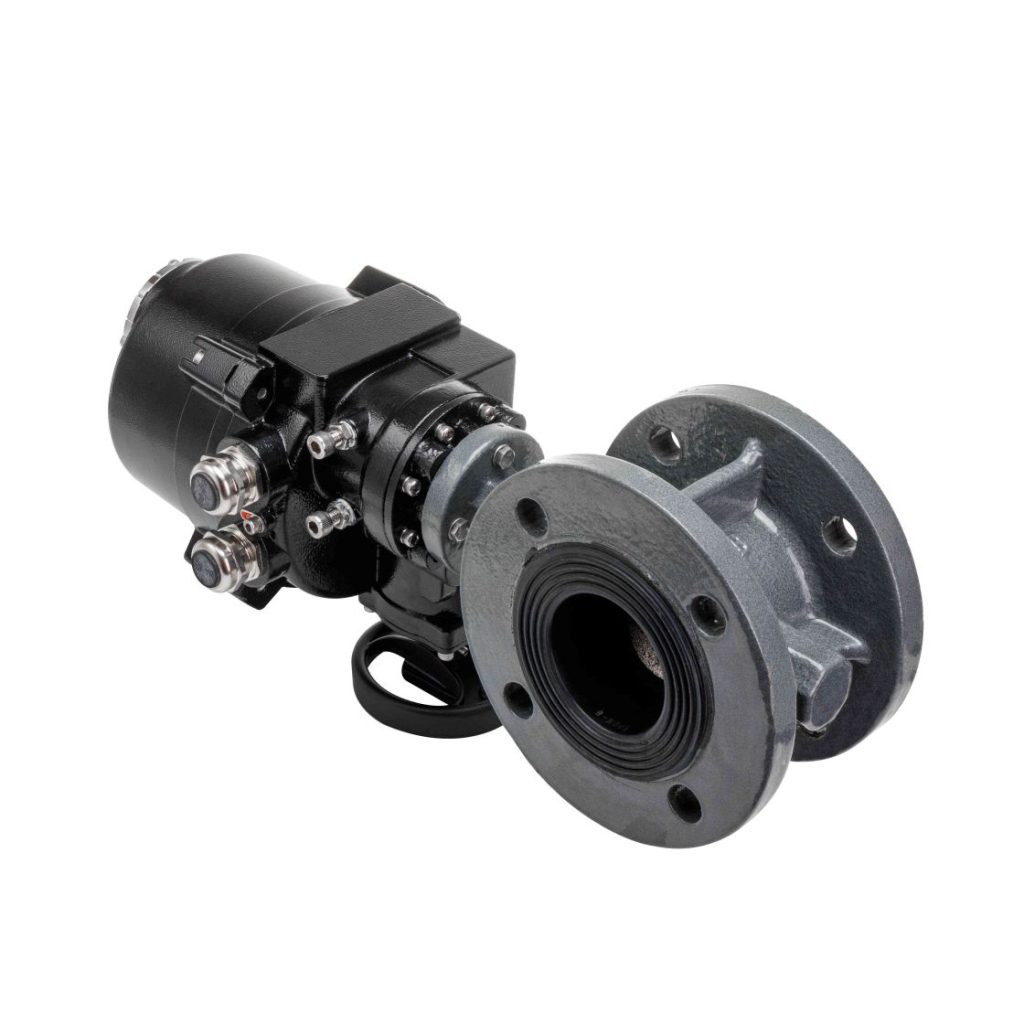
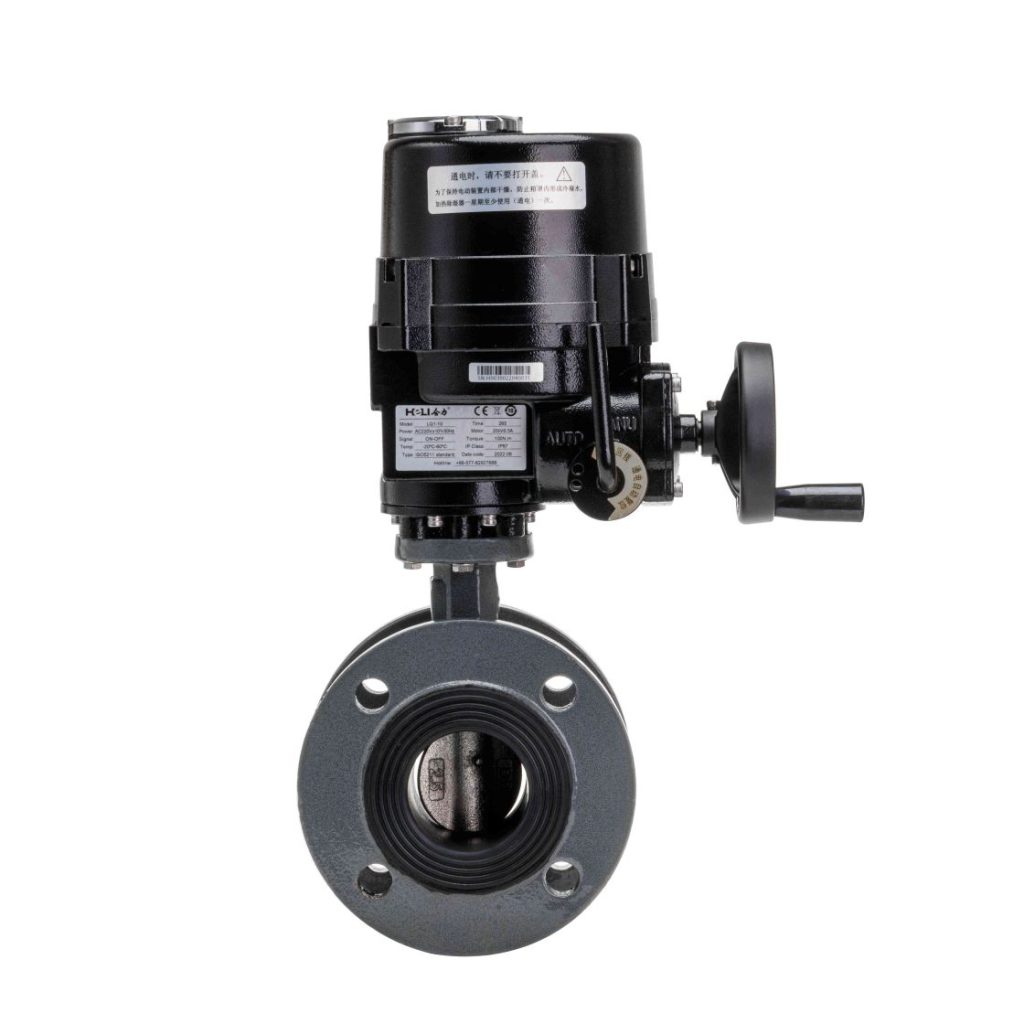
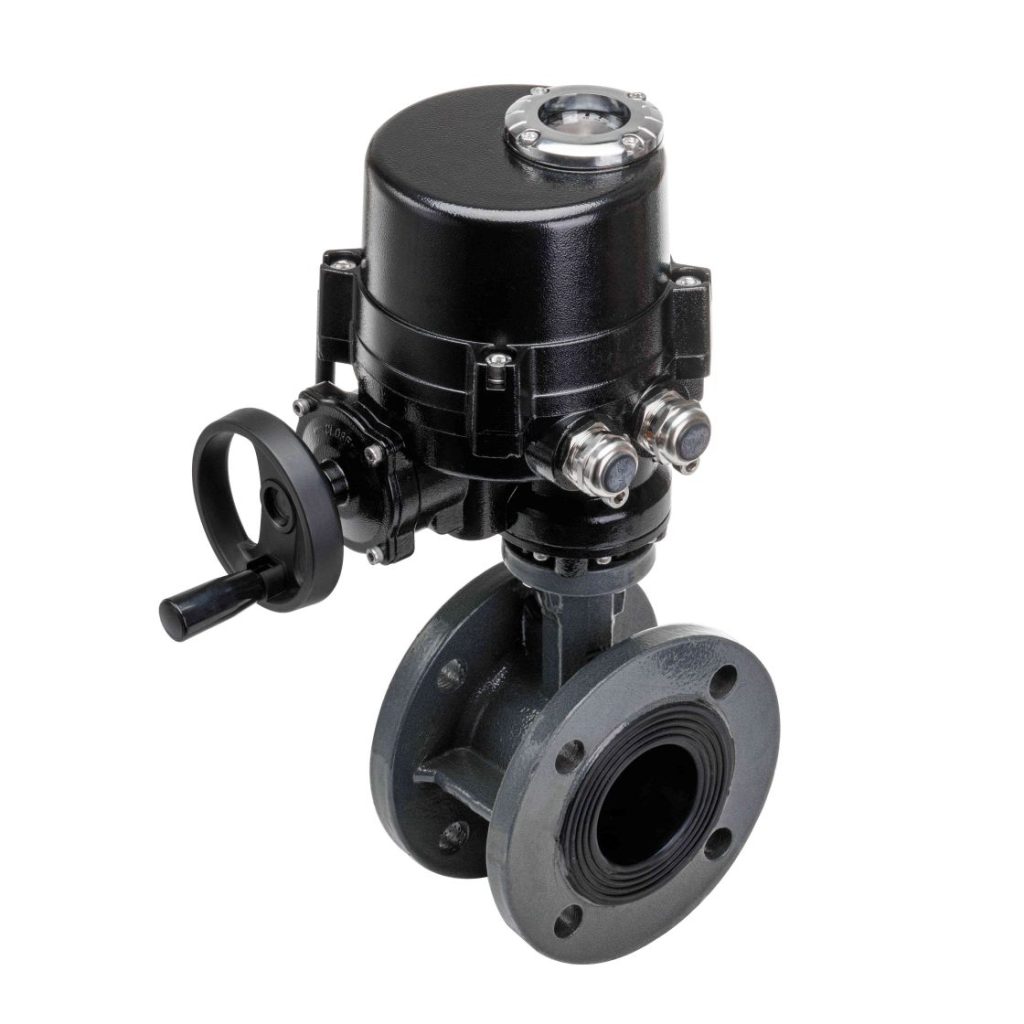
Stainless steel marine electric ball valves are essential components in marine and offshore industries where controlling the flow of liquids and gases with precision is crucial. These valves combine the corrosion resistance of stainless steel with the convenience of electric actuation, making them ideal for challenging environments like the sea, where exposure to saltwater and harsh conditions is a constant factor. In this article, we will explore the features, advantages, and applications of stainless steel marine electric ball valves, highlighting why they are an indispensable part of modern maritime engineering.
1. Corrosion Resistance and Durability
The primary advantage of stainless steel in marine electric ball valves is its superior resistance to corrosion. Marine environments, particularly those exposed to seawater, pose significant challenges to equipment due to the high salt content in the water. Stainless steel, a durable alloy containing chromium, forms a protective oxide layer that prevents rust and oxidation, ensuring that the valve remains functional even in the harshest conditions. This corrosion resistance greatly extends the lifespan of the valve, reducing the frequency of maintenance and replacement compared to valves made from other materials.