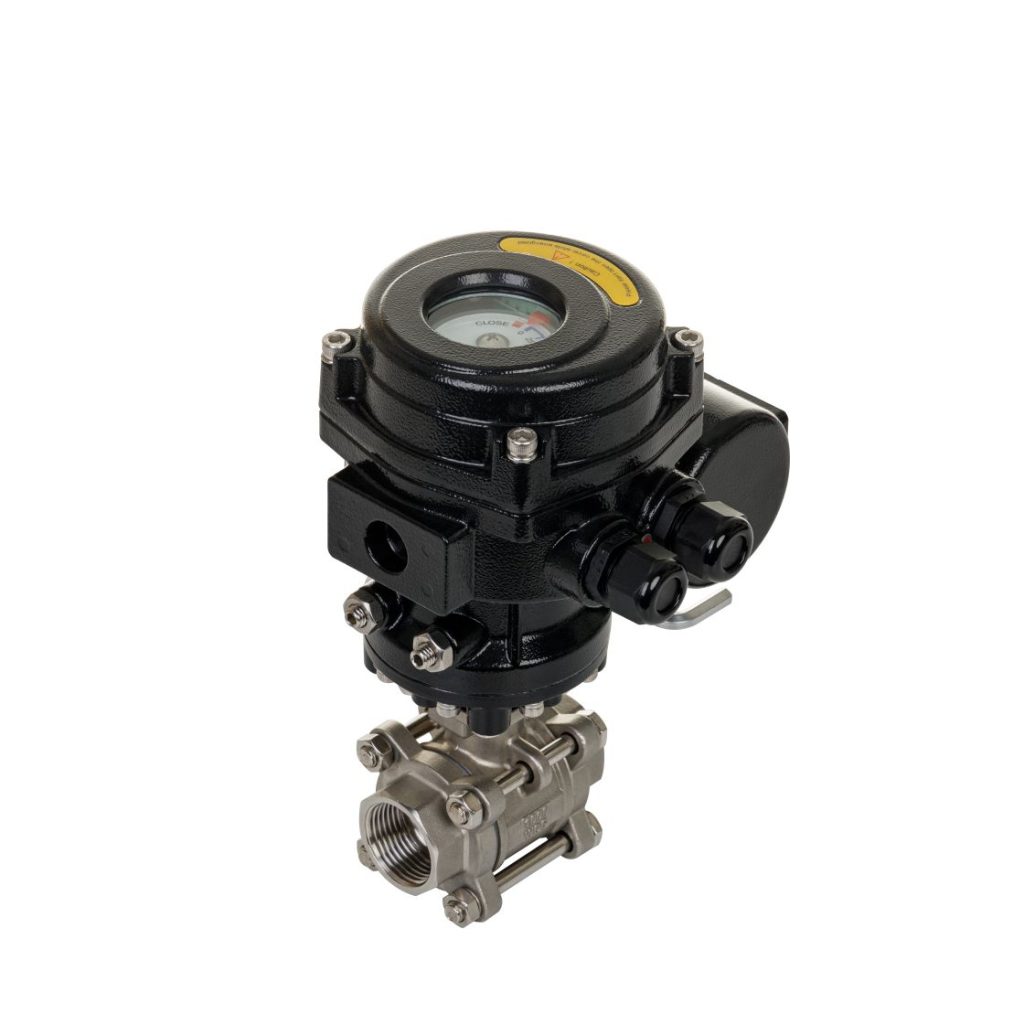
The energy landscape is undergoing a significant transformation as the world shifts towards sustainable and renewable energy sources. Among these, hydrogen energy has emerged as a potent option, offering a clean and efficient alternative to fossil fuels. Central to the efficient use of hydrogen energy in various applications is the Hydrogen Energy Electric Screw Ball Valve, a component that plays a crucial role in managing hydrogen flow. This article explores the features, applications, and future prospects of this innovative valve.
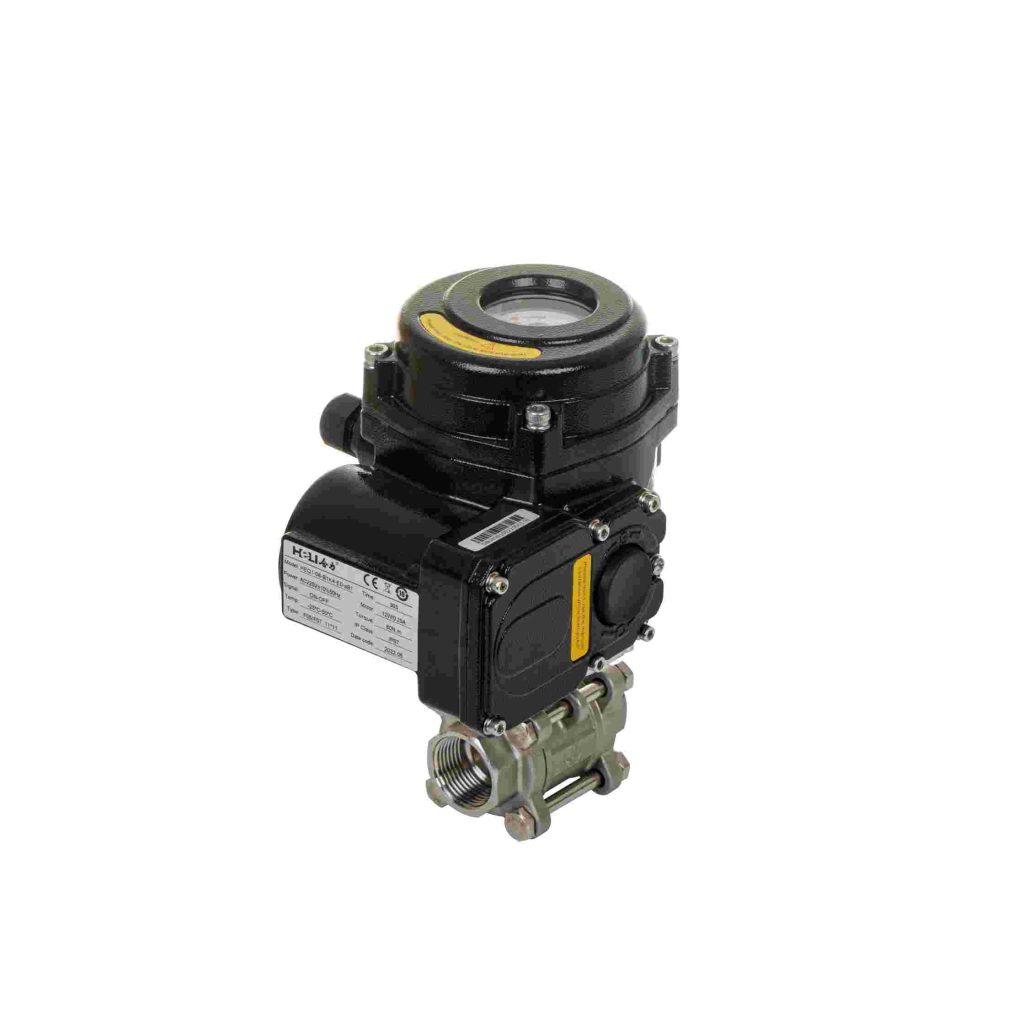
Understanding the Hydrogen Energy Electric Screw Ball Valve
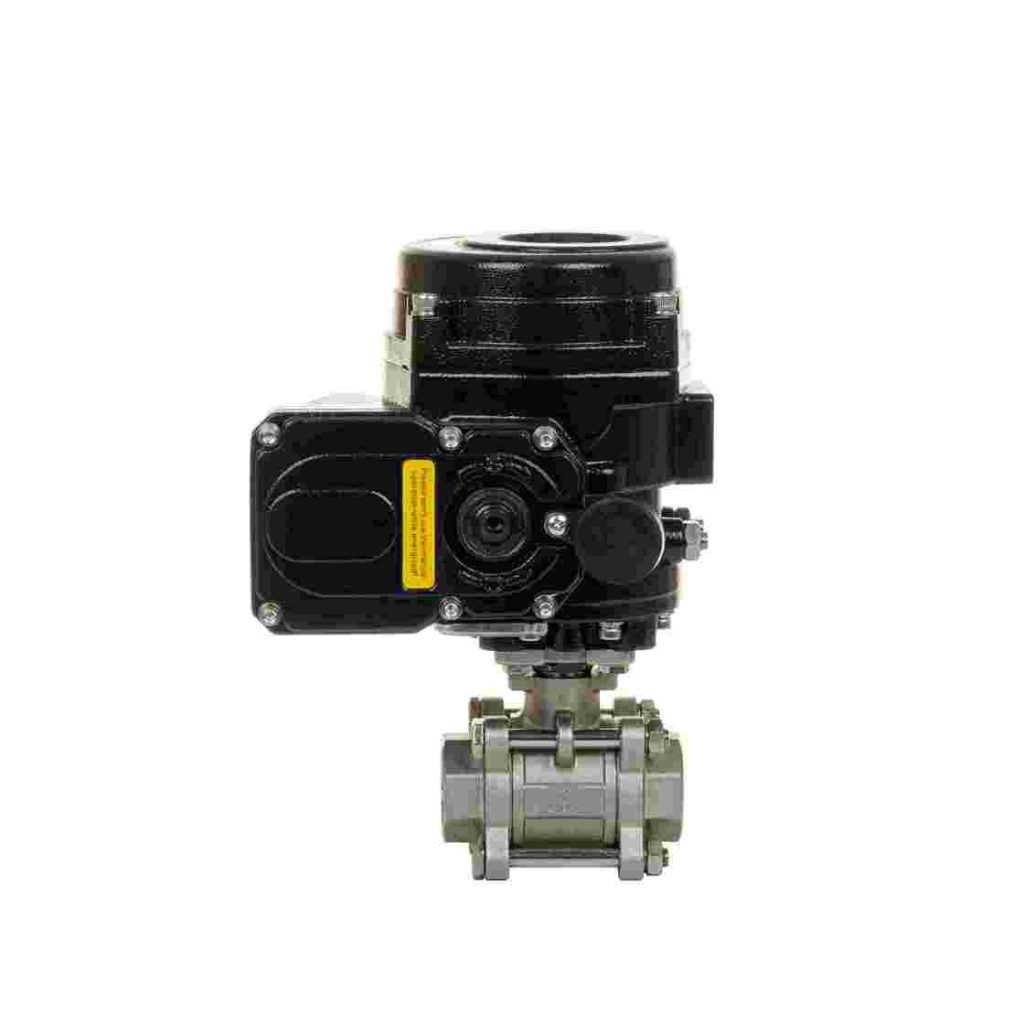
The Hydrogen Energy Electric Screw Ball Valve combines the mechanical advantages of a ball valve with electrical actuation features. This type of valve leverages electric motors to control the valve opening and closing movements, offering precise flow control and automation capabilities. The screw mechanism enhances the valve’s operation efficiency, ensuring that it provides smooth and reliable performance under varying pressure conditions, which is particularly important in hydrogen applications. Key Features Electric Actuation: The electric actuation allows for remote control and integration into automated systems. Operators can monitor and adjust hydrogen flow with ease, improving system efficiency and reducing the need for manual intervention.